BC
The earlier work. Before the threshold. Searching, gathering, asking.
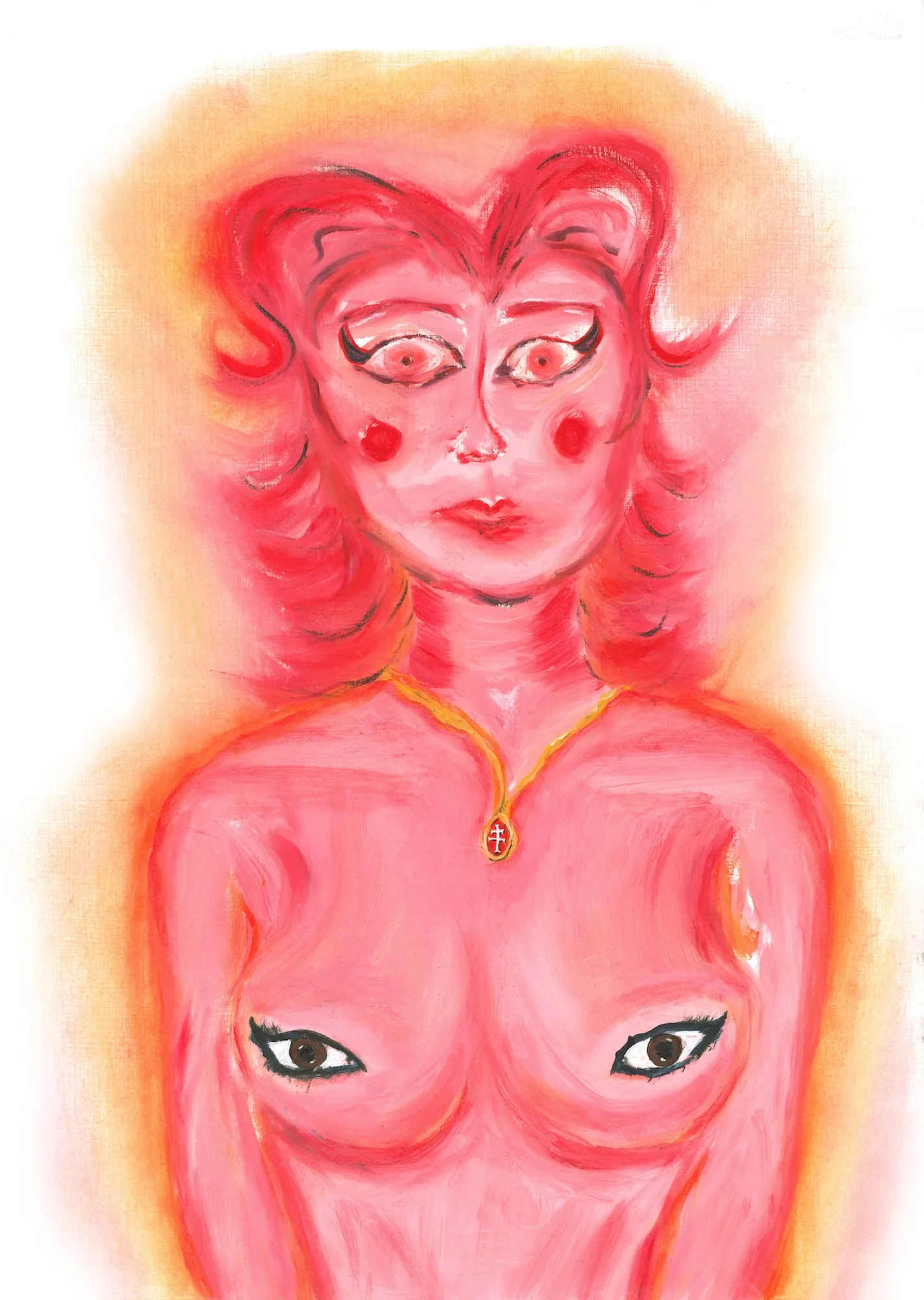
Colour and the forms that follow.
Photography. Oils. Pastel. Sculpture. Commissions.
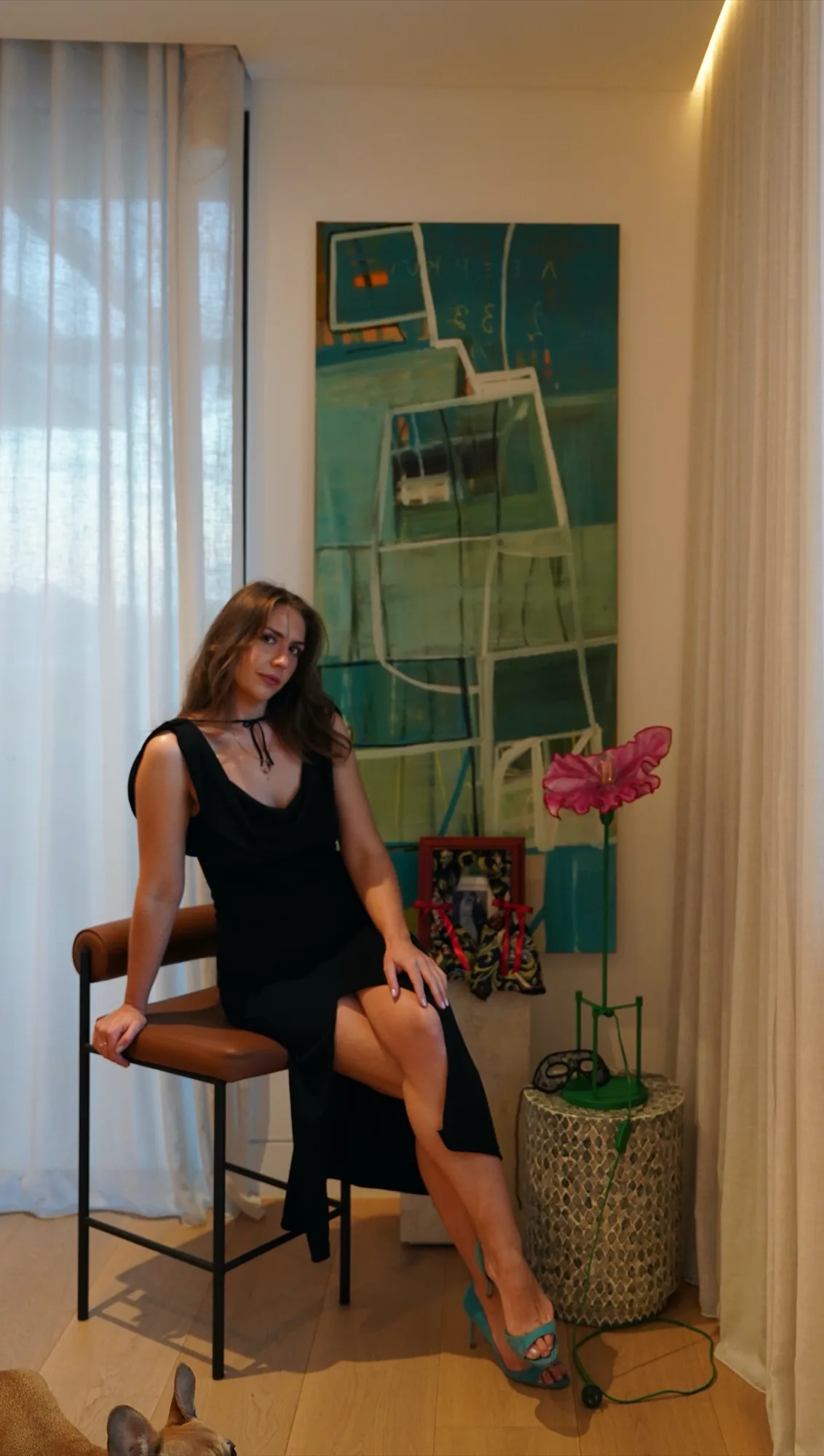
“I asked to be in the Birthing room for my Sisters 2nd Son”
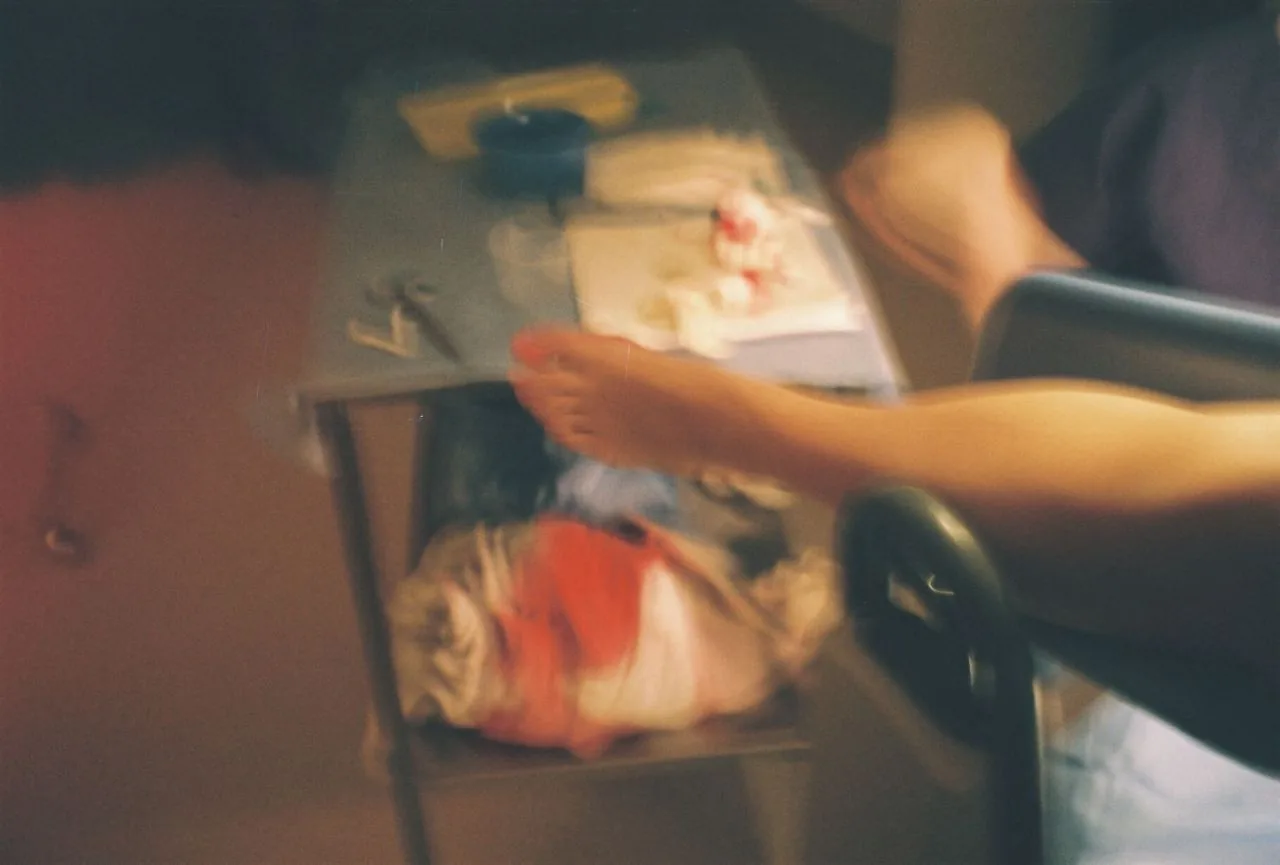
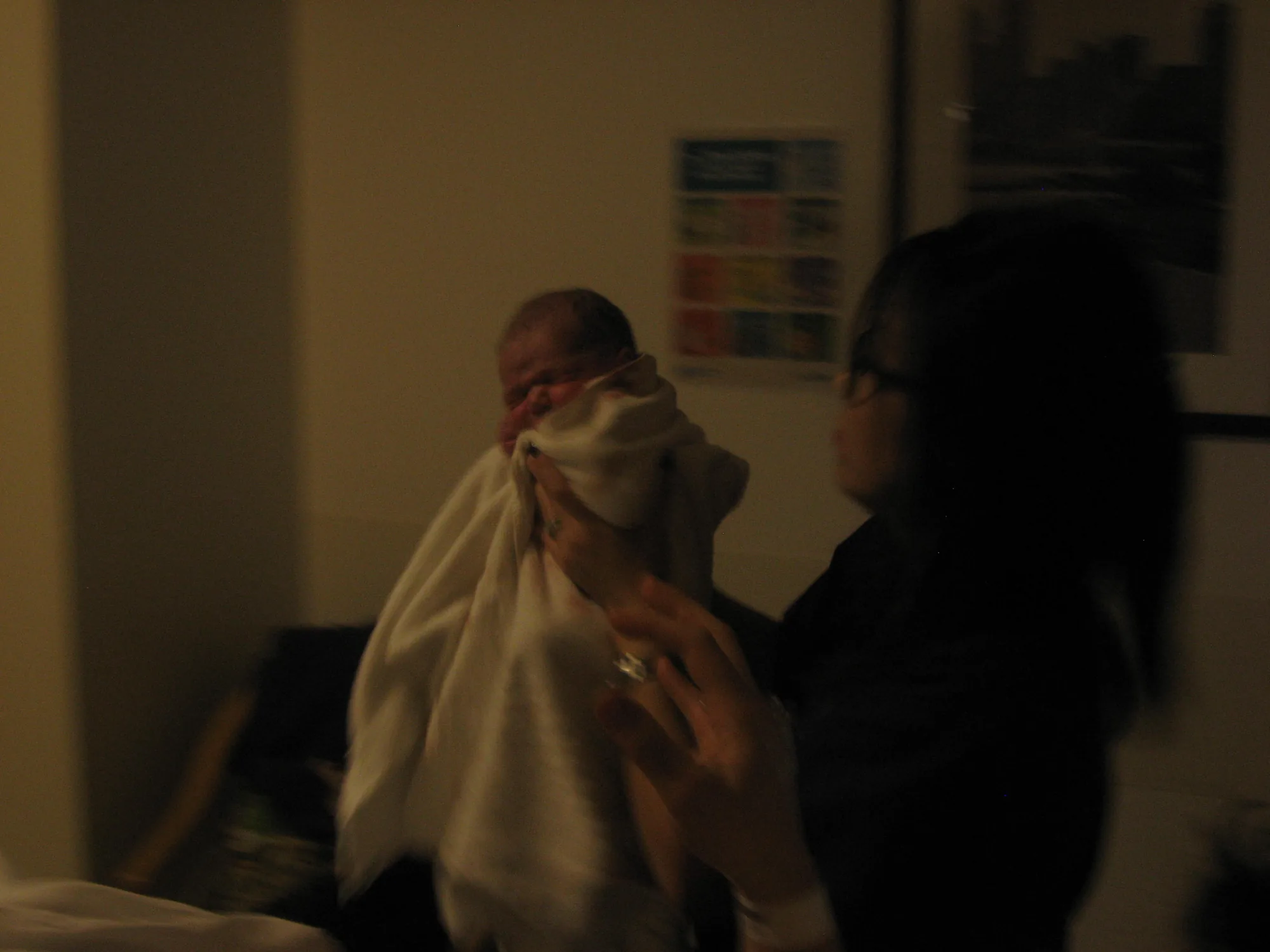
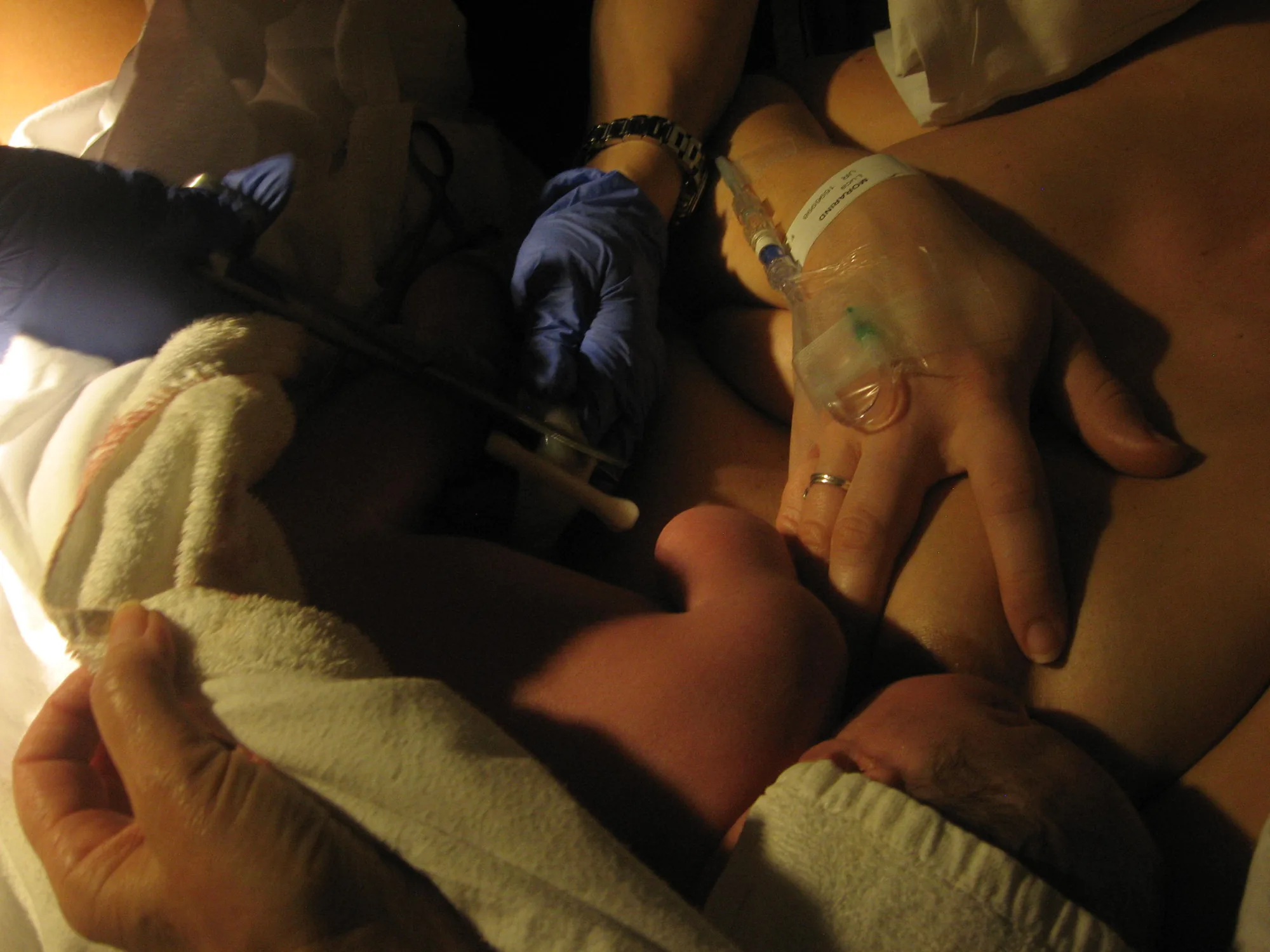
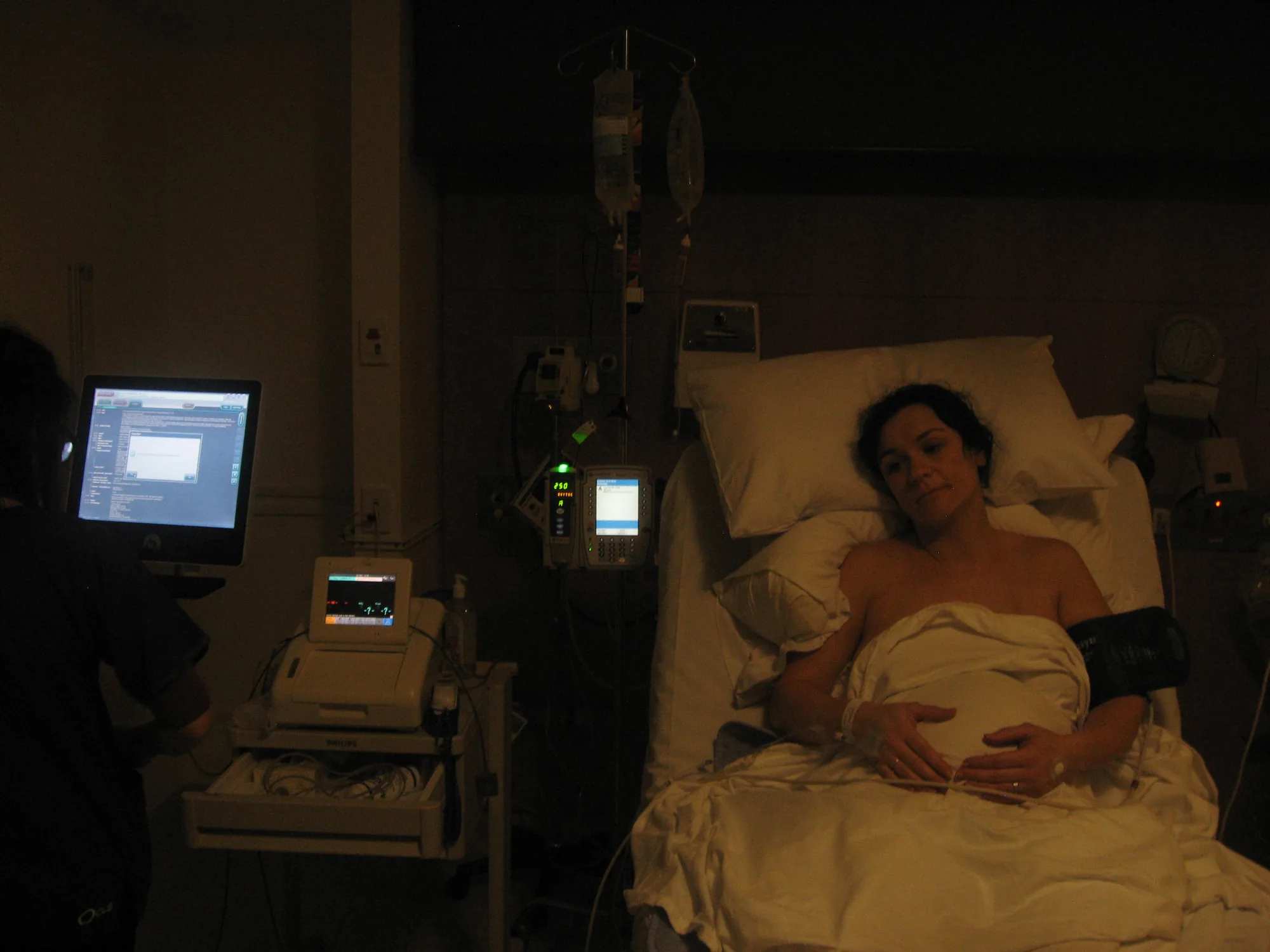
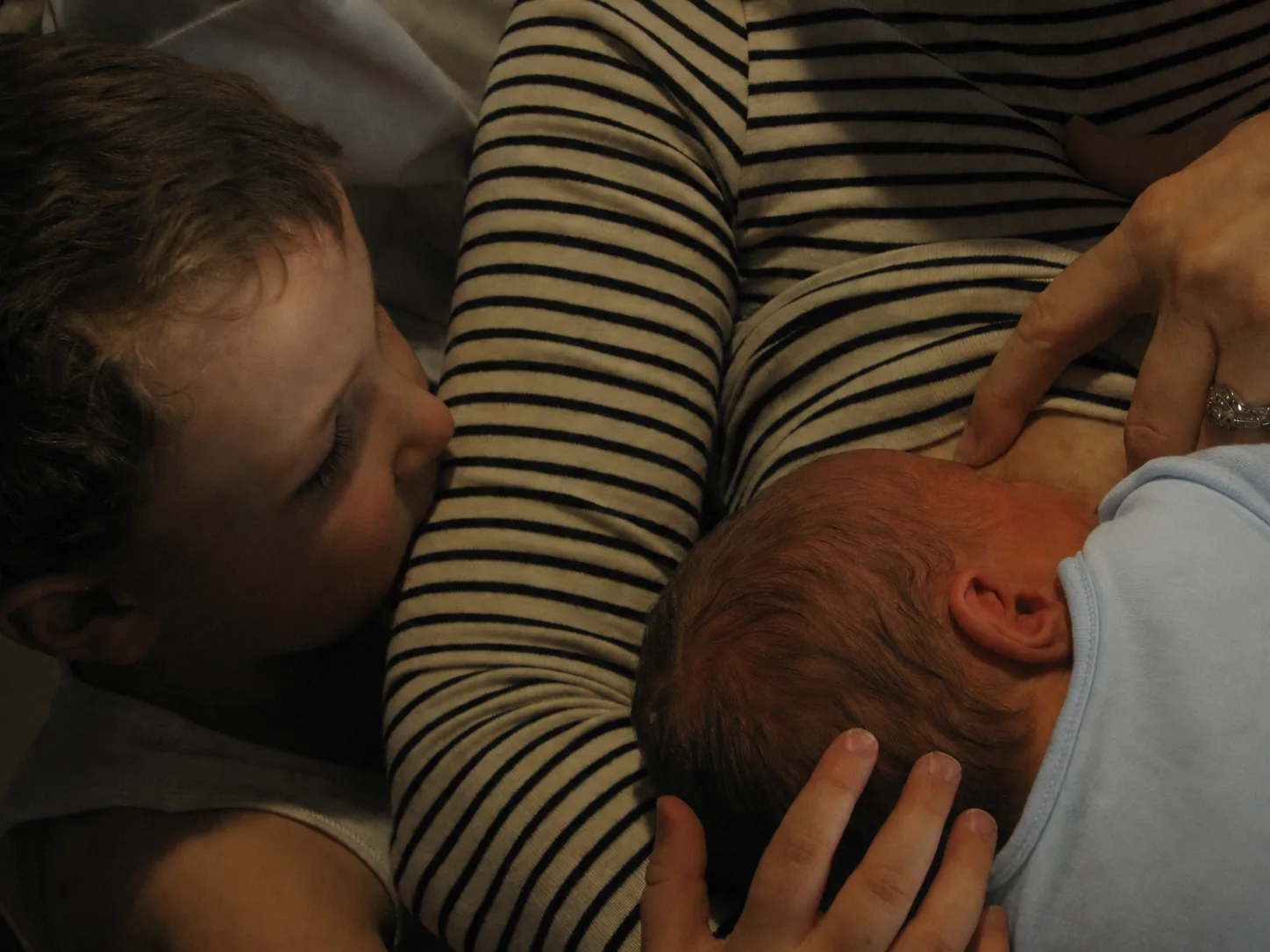
Móra grew up inspired by her older sister. When it was time for her sister to give birth to her second son, Móra asked to be in the birthing room, to document the moment. For Móra, witnessing the birth of Levente was profoundly euphoric. In the current climate where we are in a record-time low of fertility, being there to see her sister risk everything to bring the next generation into the world became one of the most eye opening experiences of her life. The photographs hold what she saw. The miracle, the raw magic of childbirth. A quiet testament to life's beauty, and to its fragility.
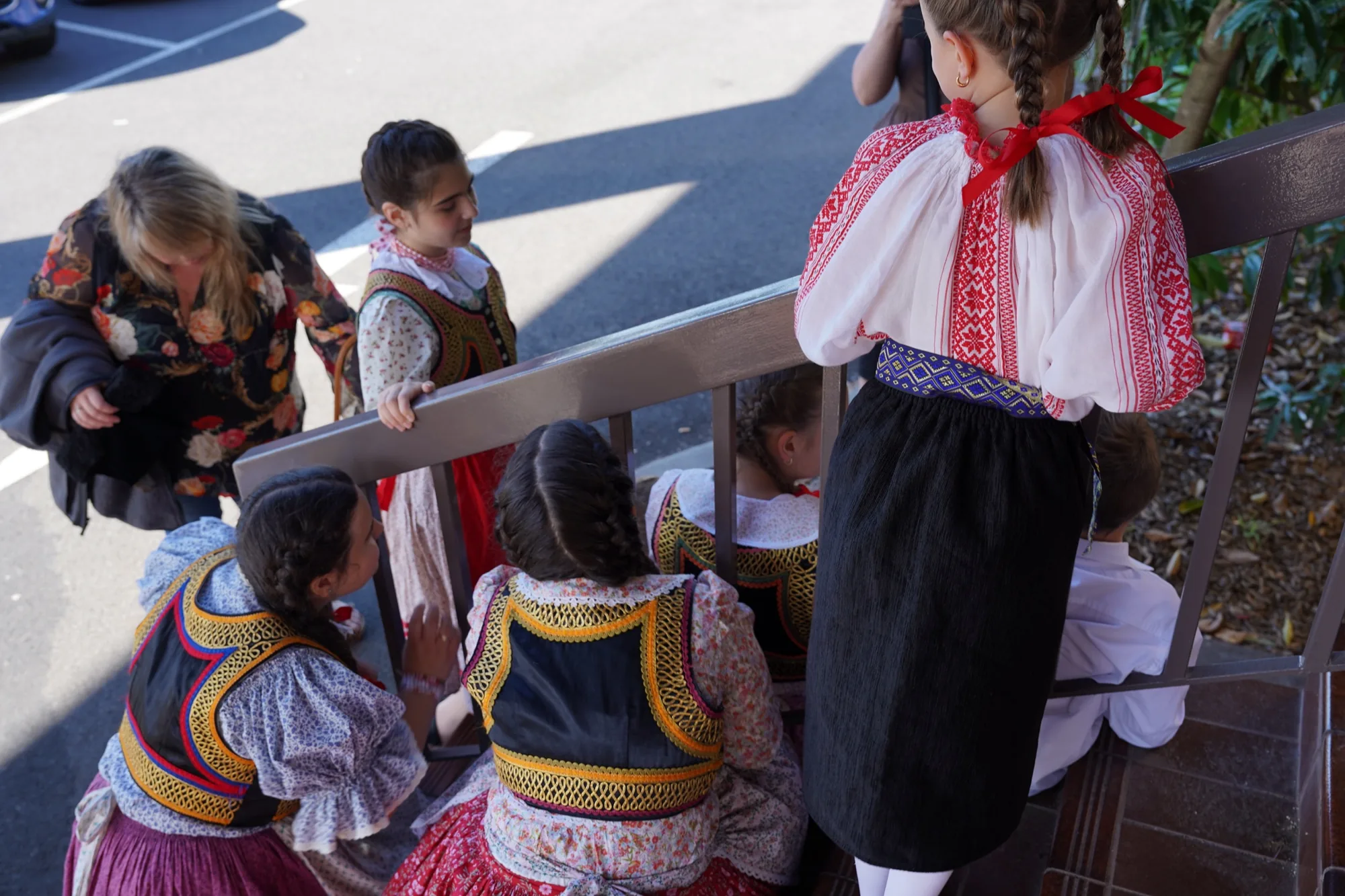


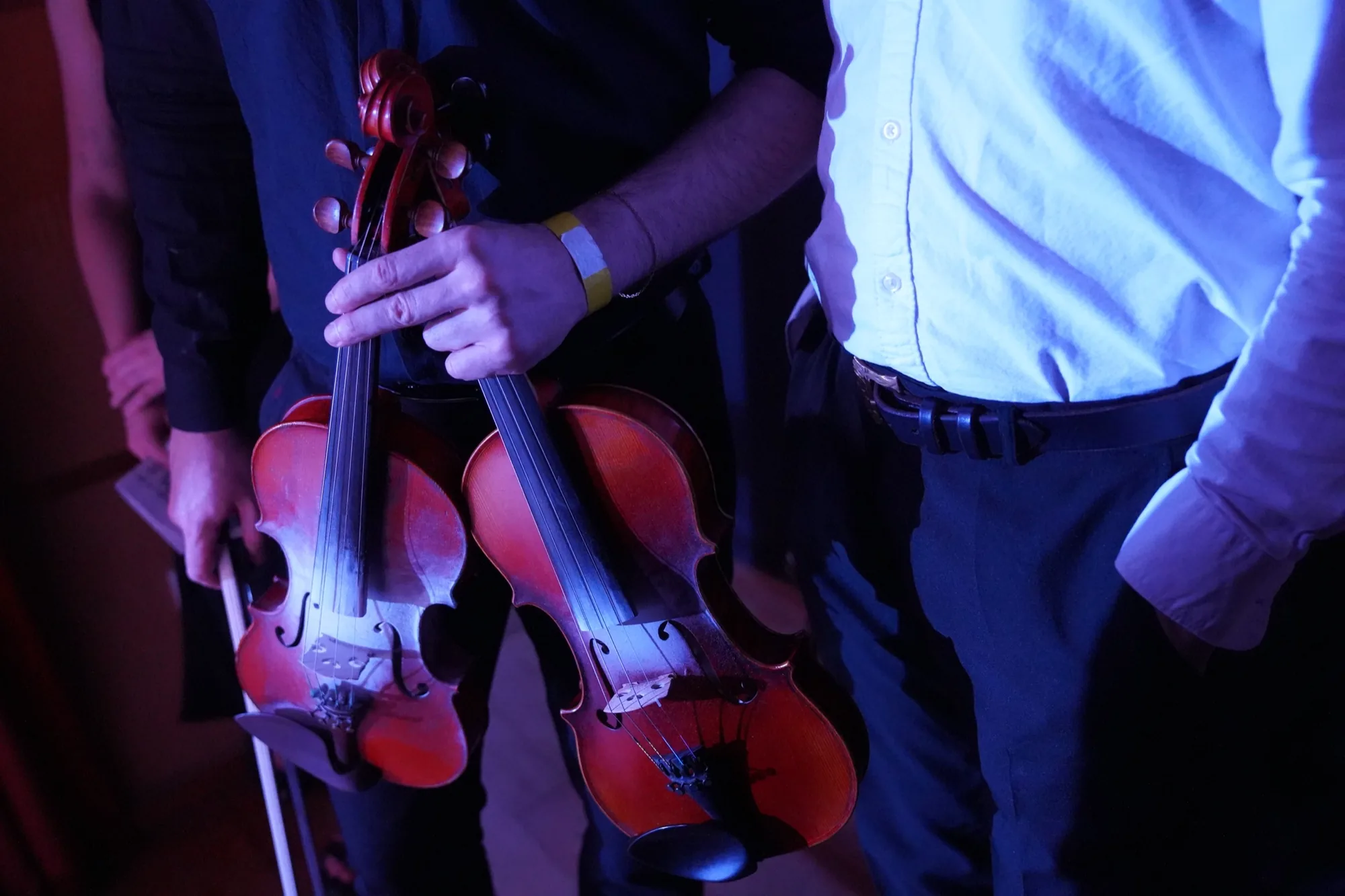


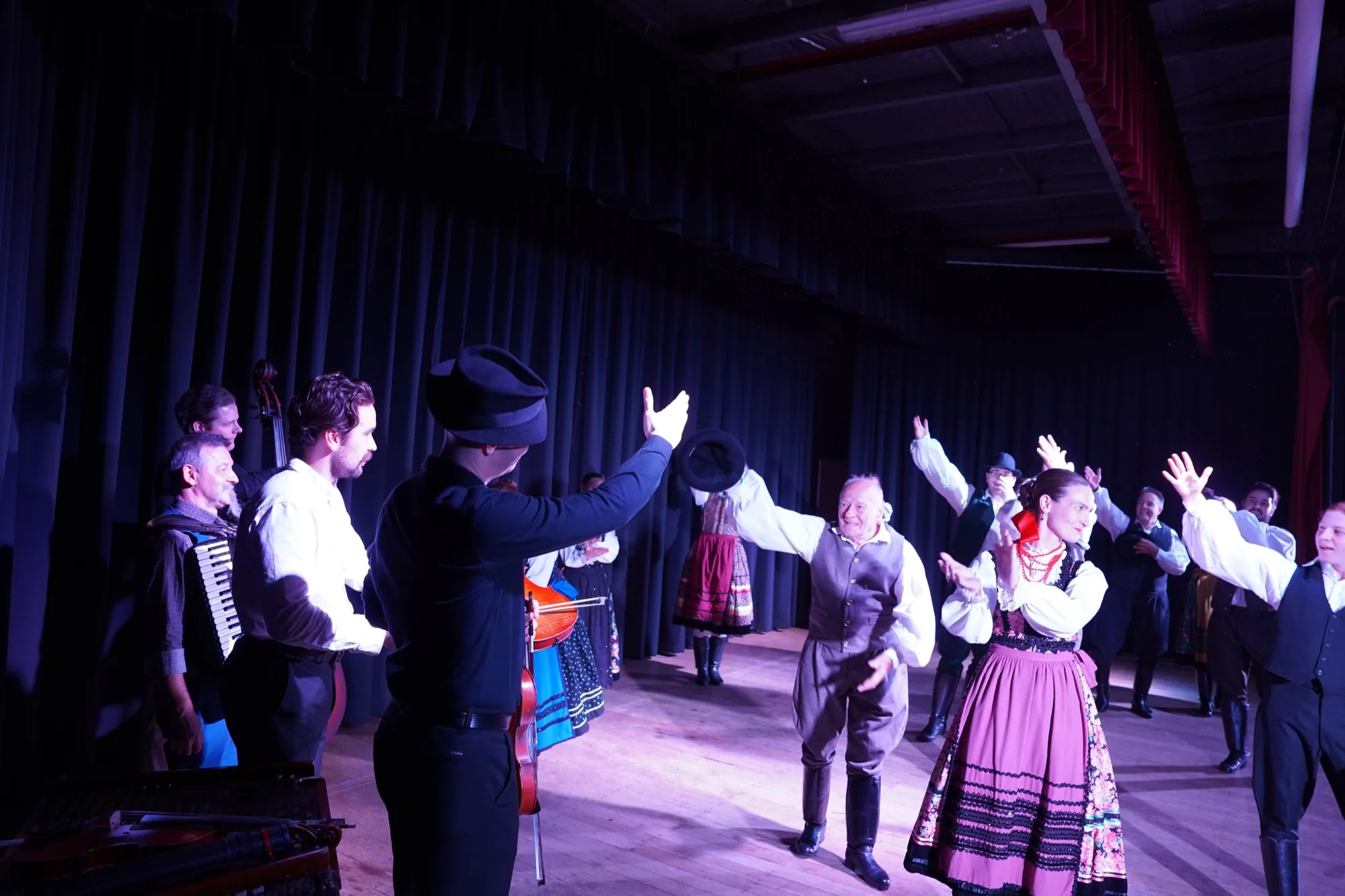
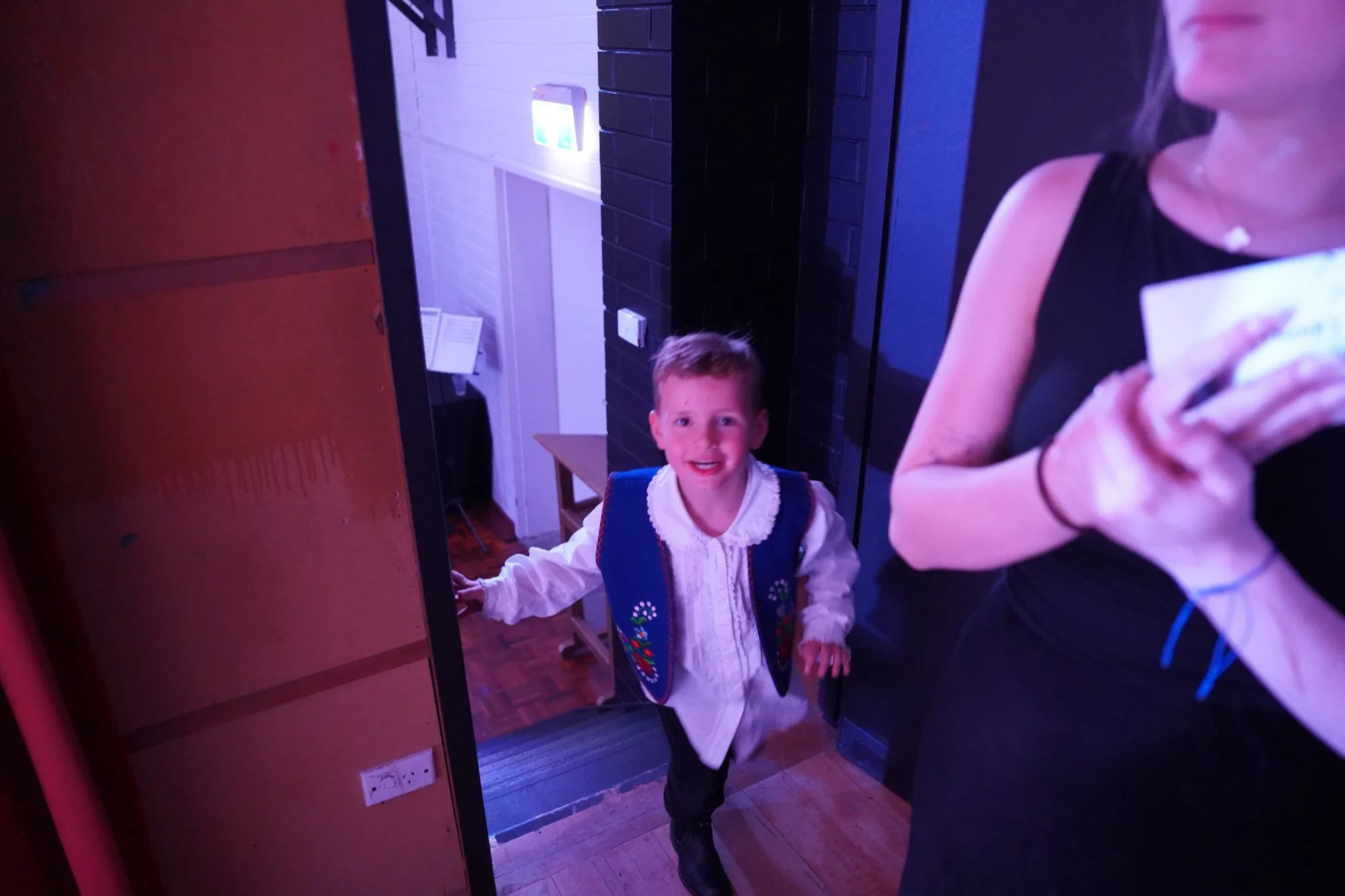
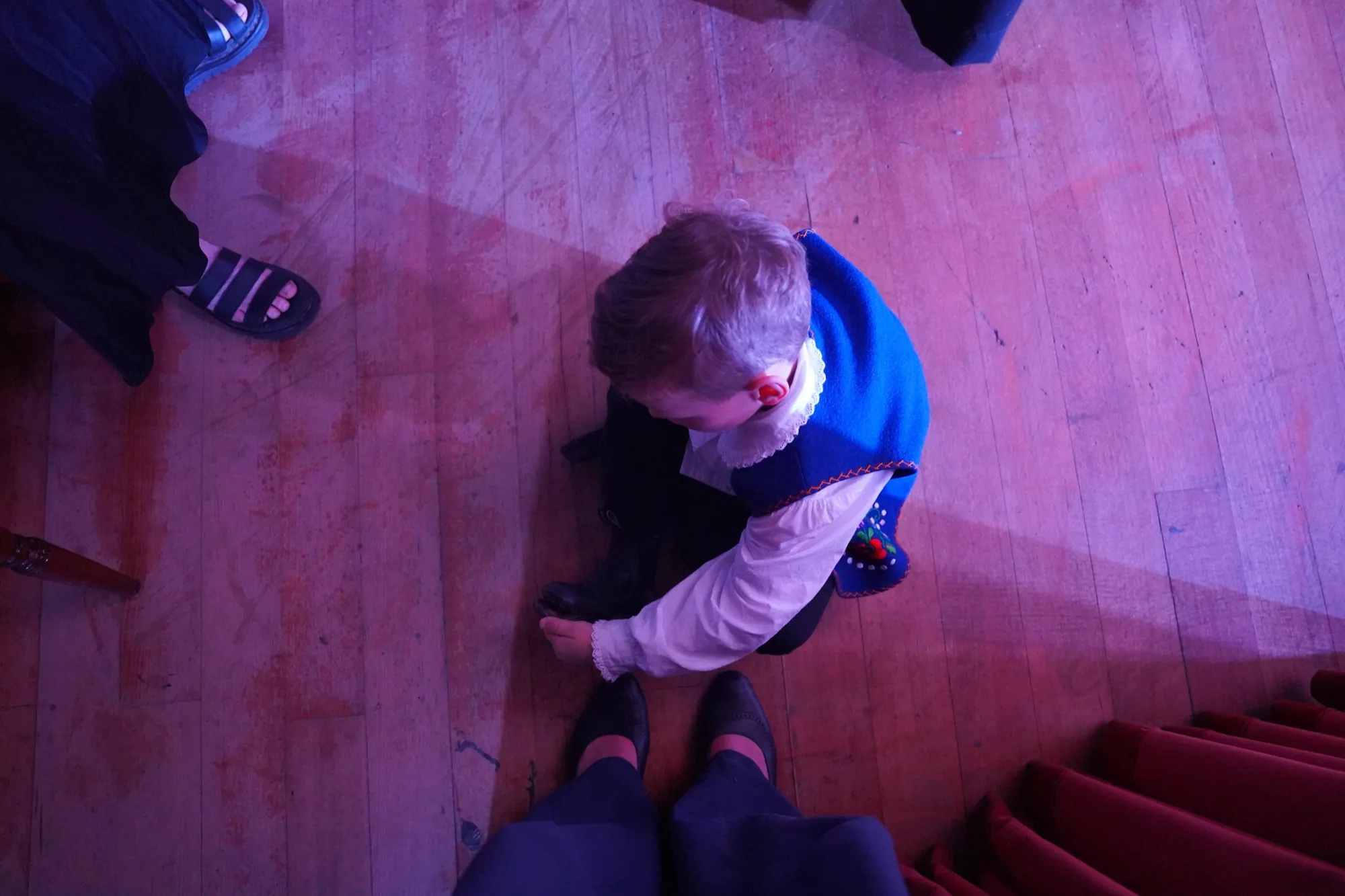


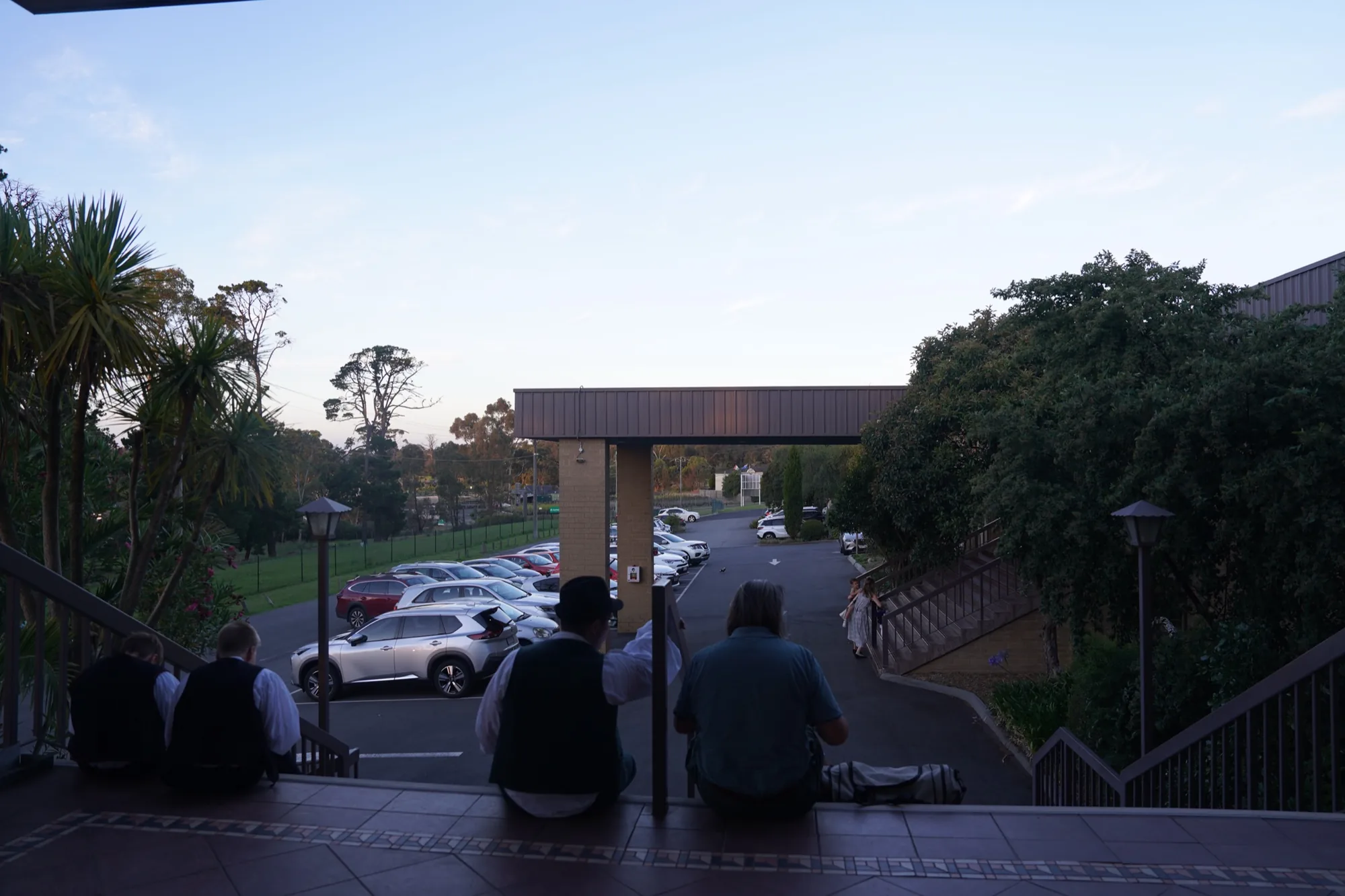
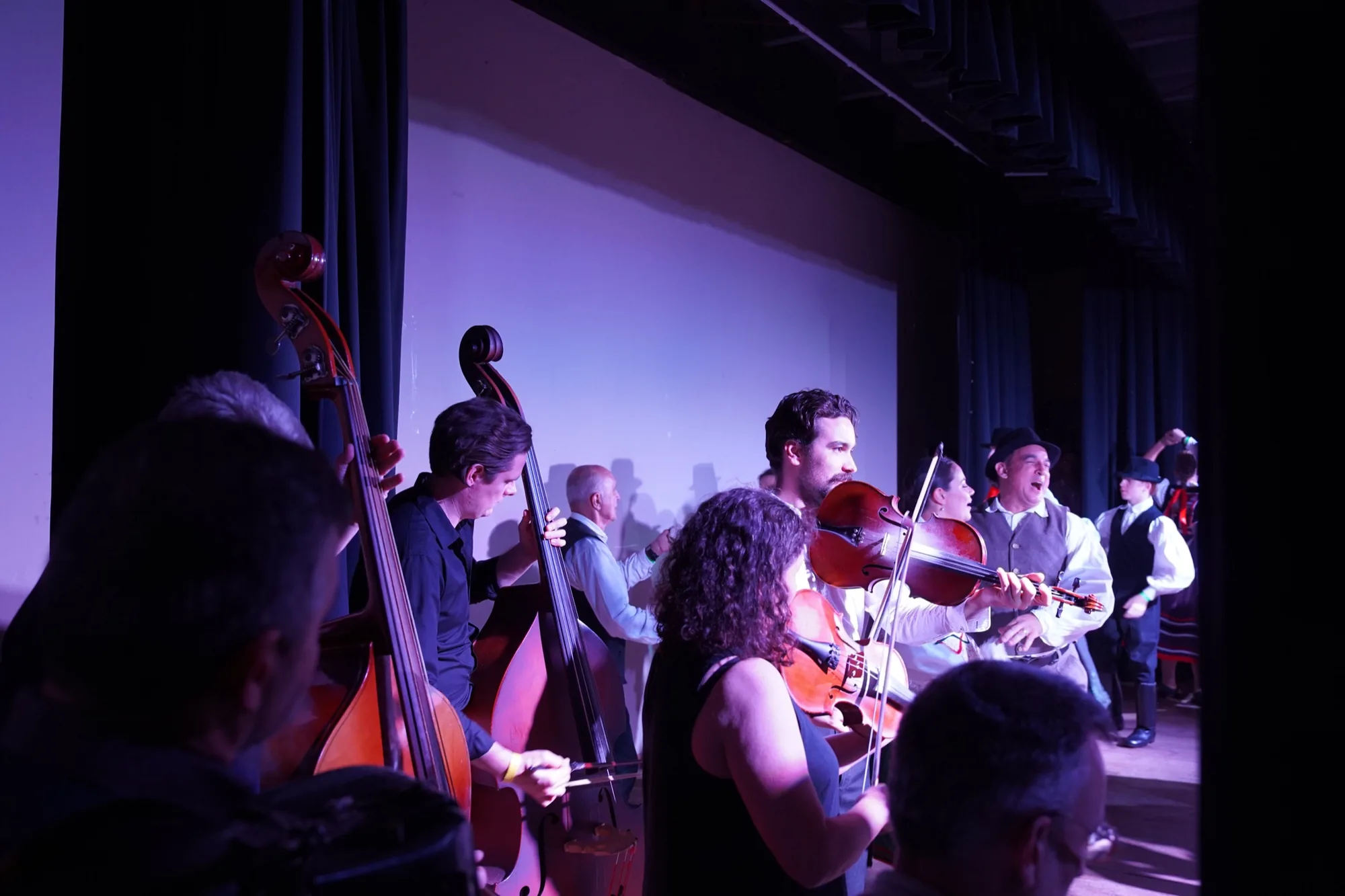

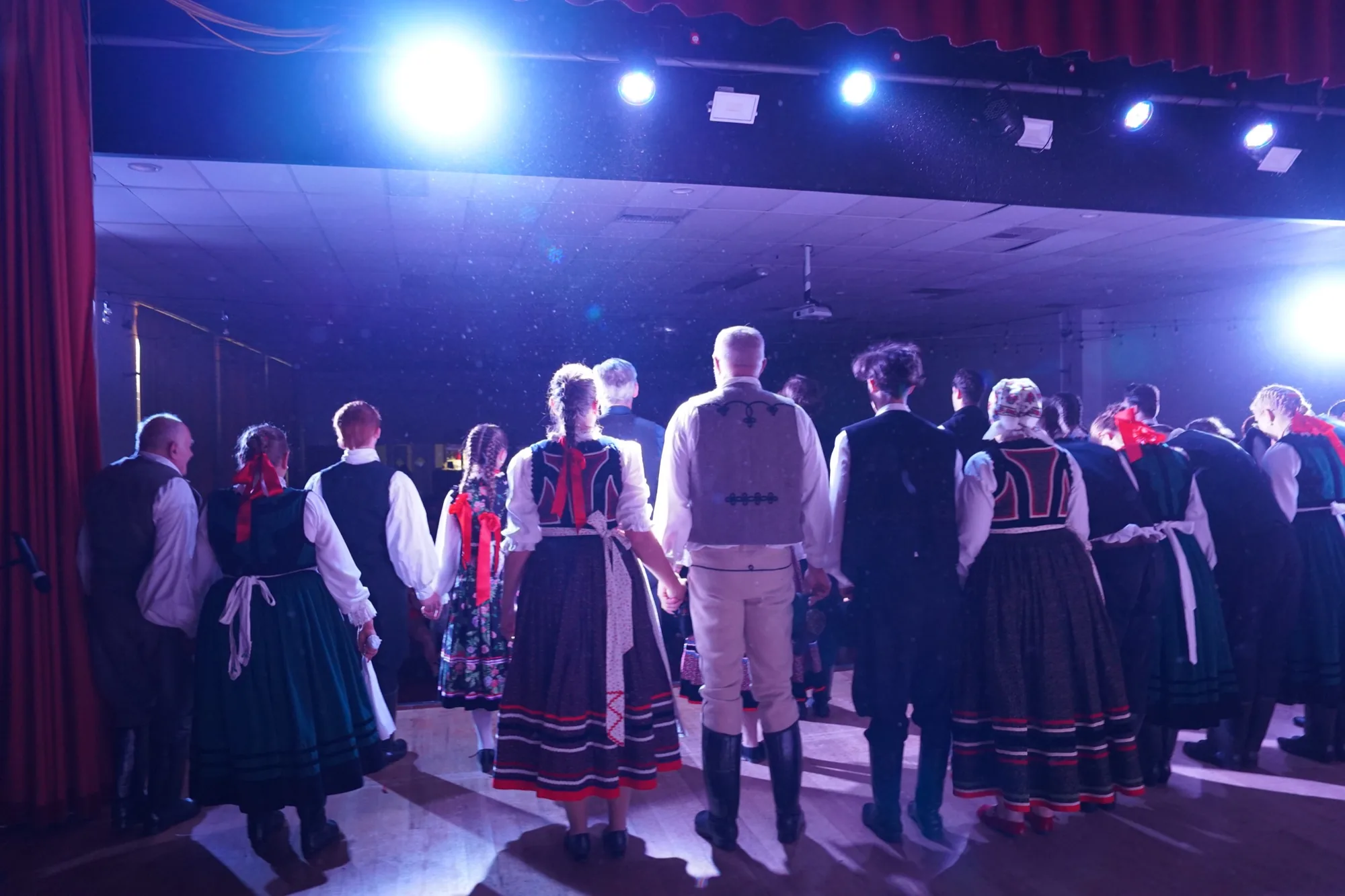

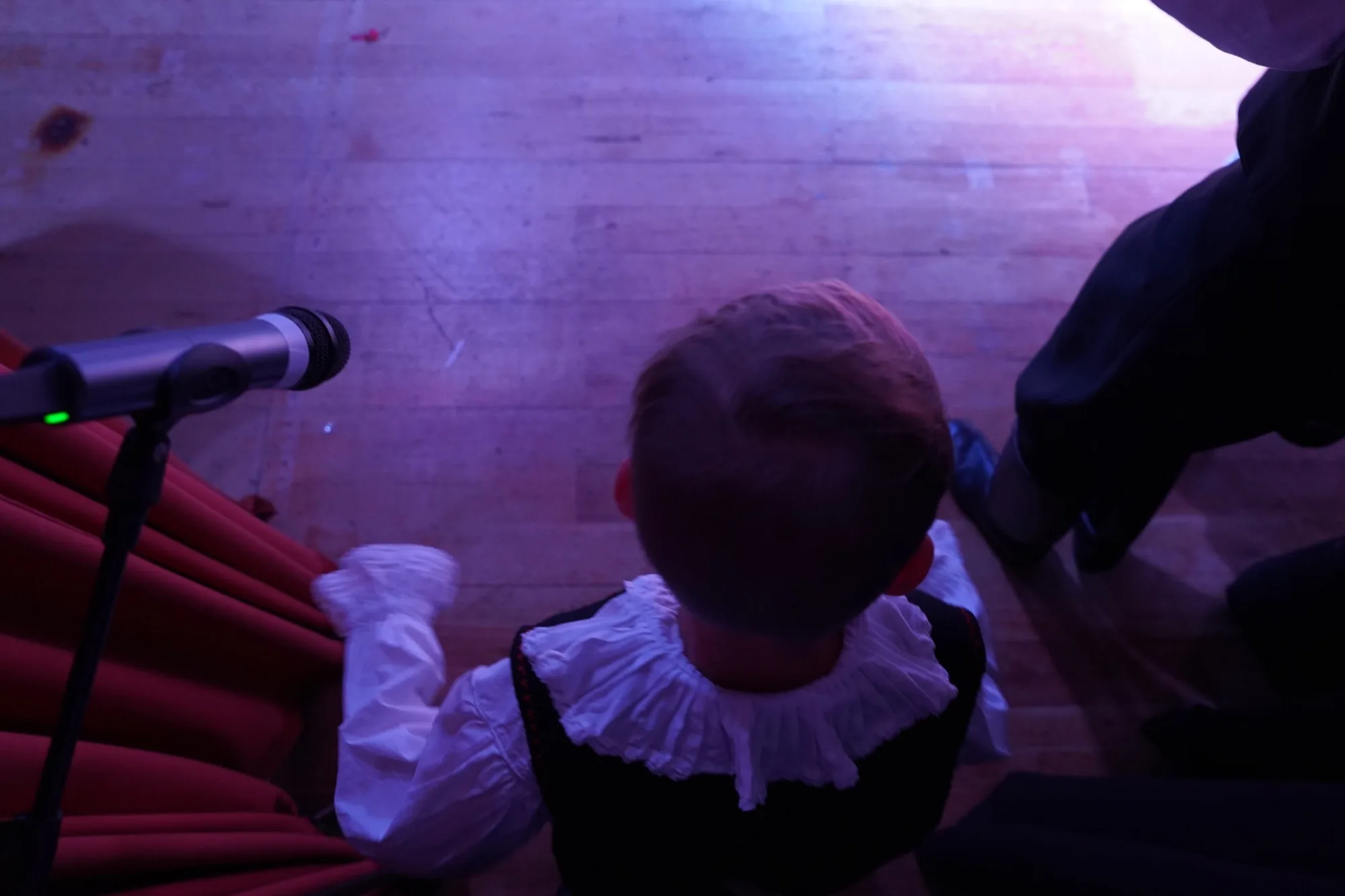
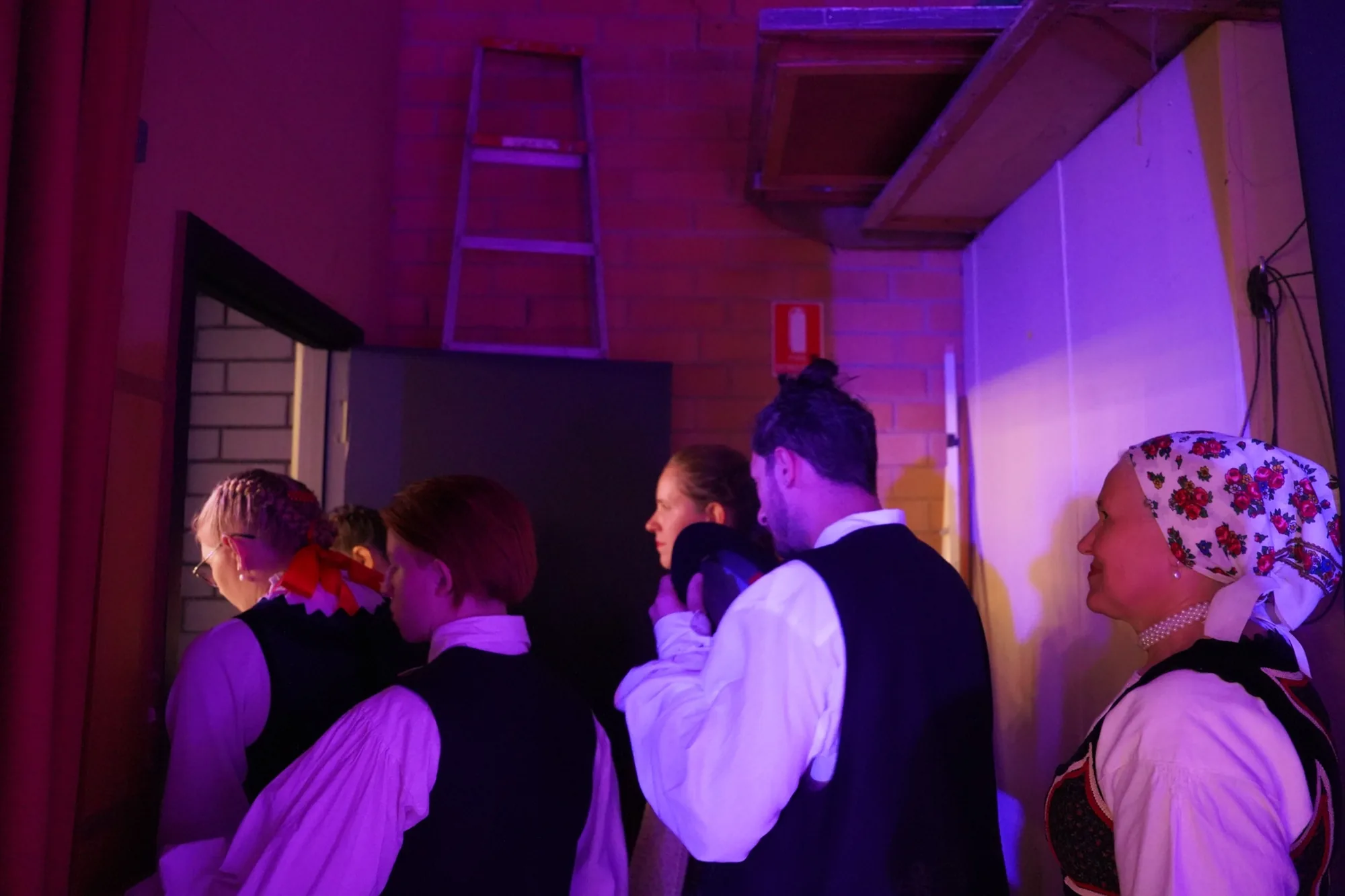
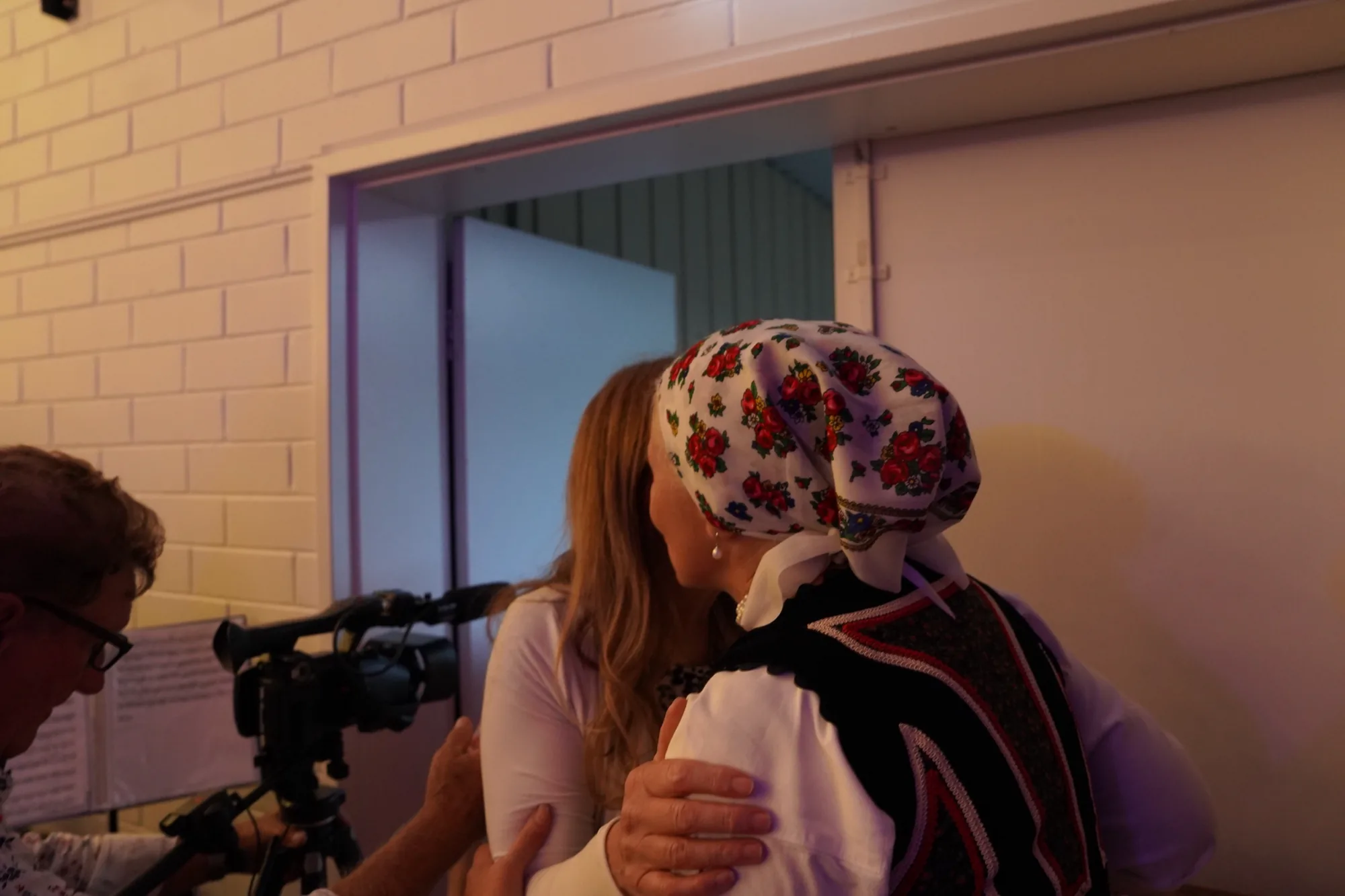

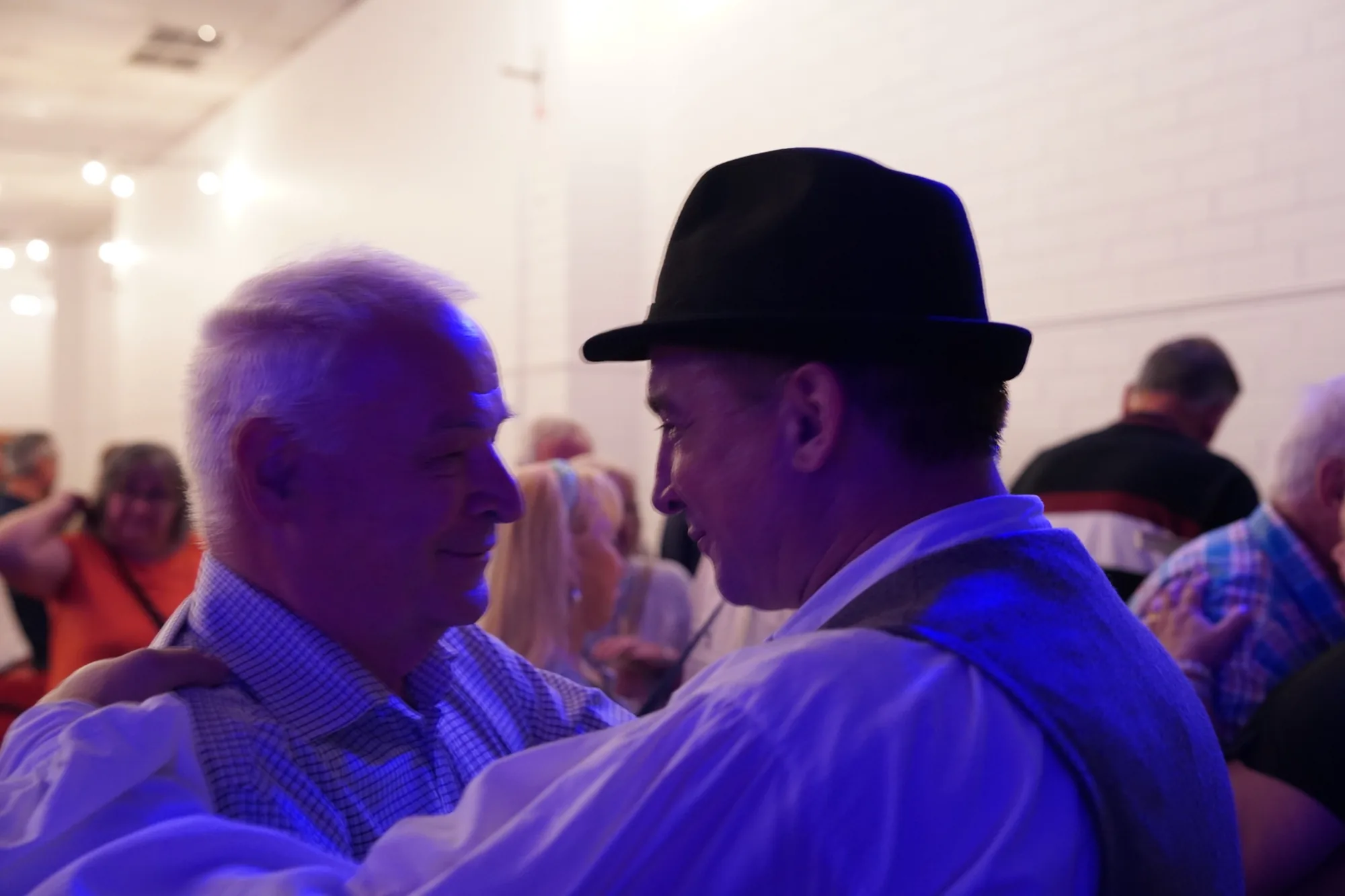
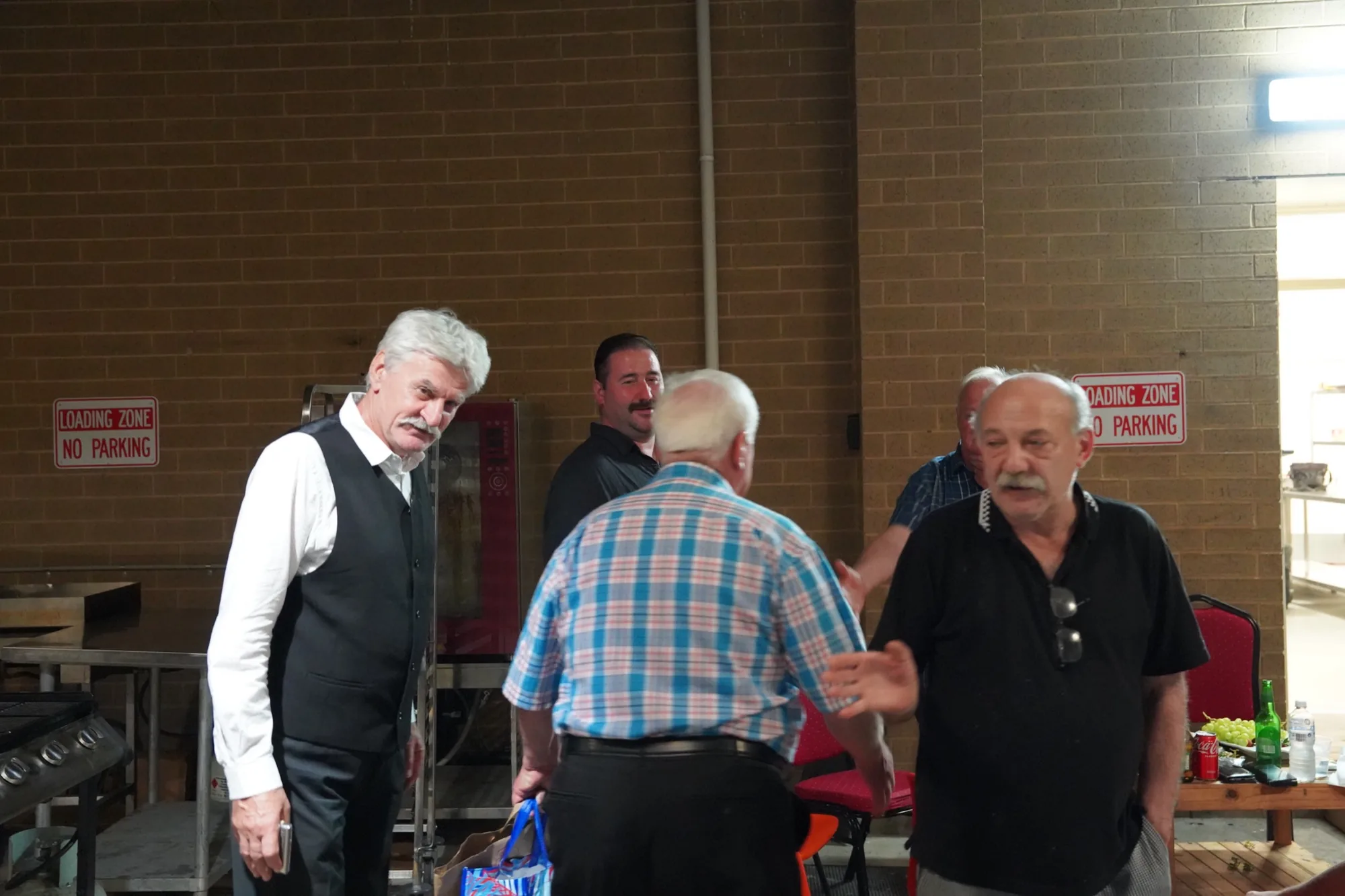
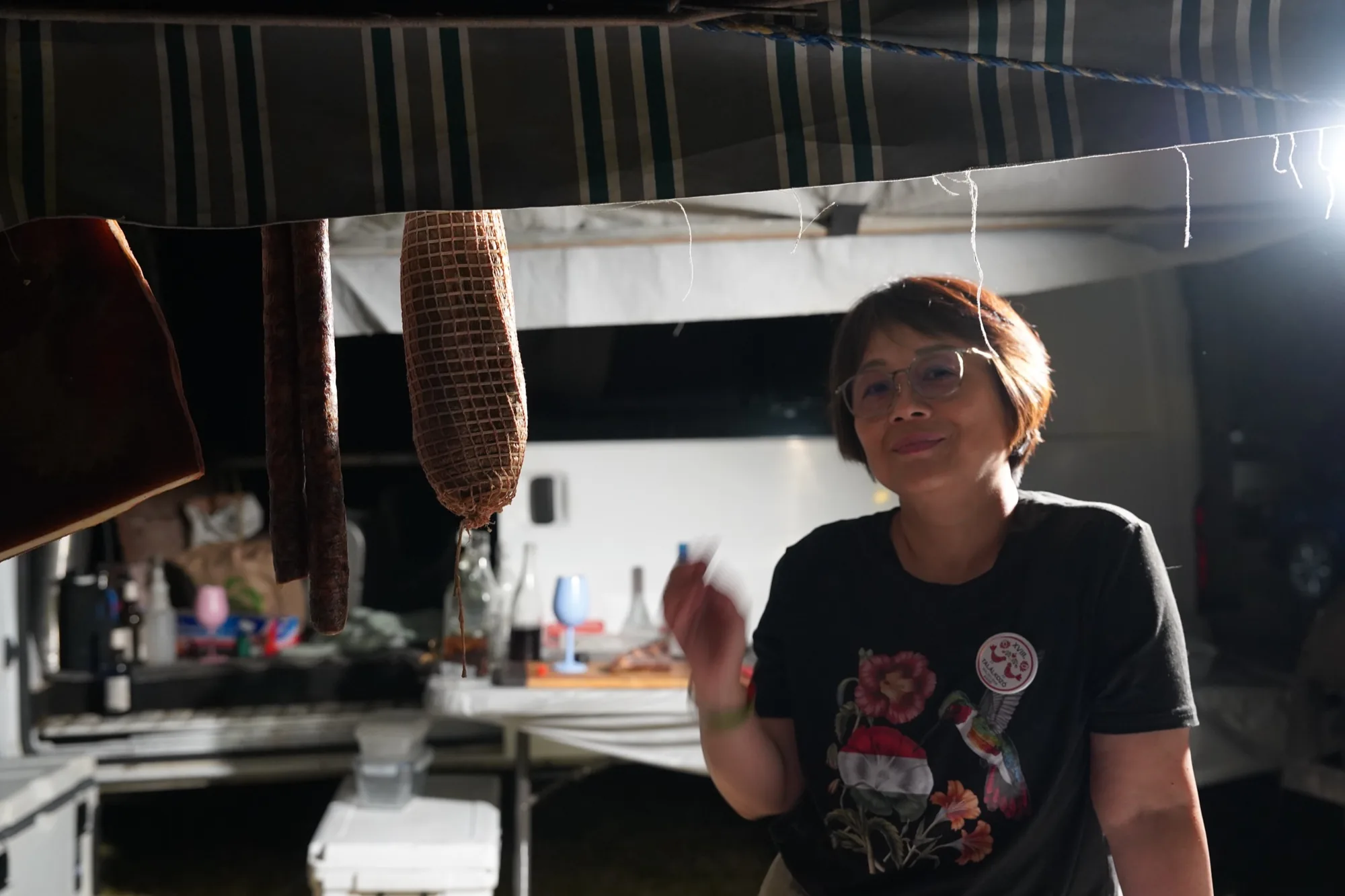

Thousands of kilometres away from the heart of Budapest, the Hungarian community in Melbourne keep its traditions alive through Folk dance. Vibrant costumes. Song. Language. Food and Music. Shared customs that hold a nation together far away from its motherland. These photographs were intended to capture what it was like for Móra growing up on stage as a Hungarian Folk Dancer. She wanted to capture the exhilaration the dancer feels being up there on stage. She captured Hungarians from different Australian states come together for the Melbourne convention in 2026, where the Hungarian government sent their top folk dancers and musicians from the National Dance Group to Australia for this event.
"The art speaks. The vibrant leads."
The earlier work. Before the threshold. Searching, gathering, asking.
The crossing. The middle distance. Where the work begins to listen for something larger than itself.
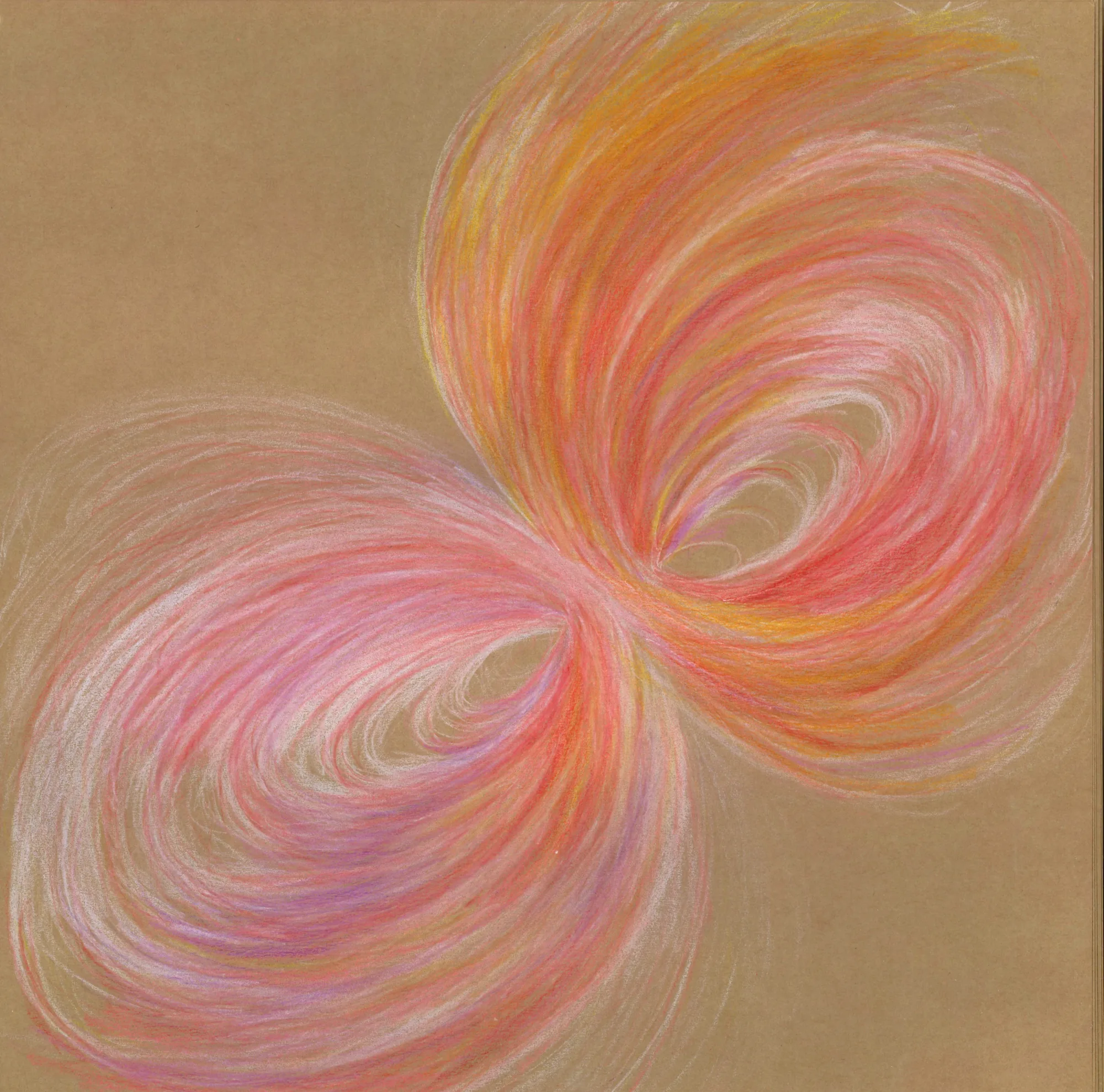
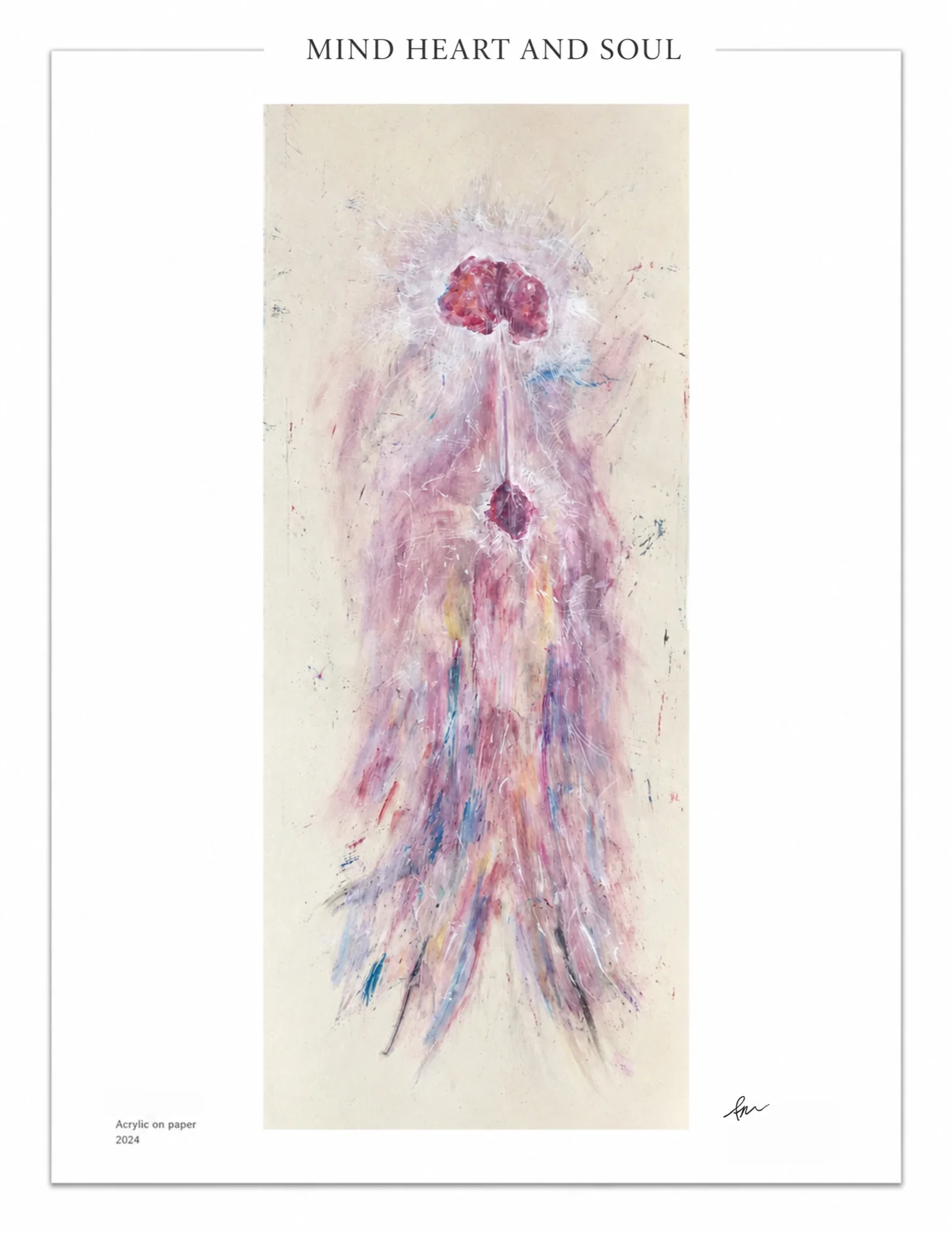
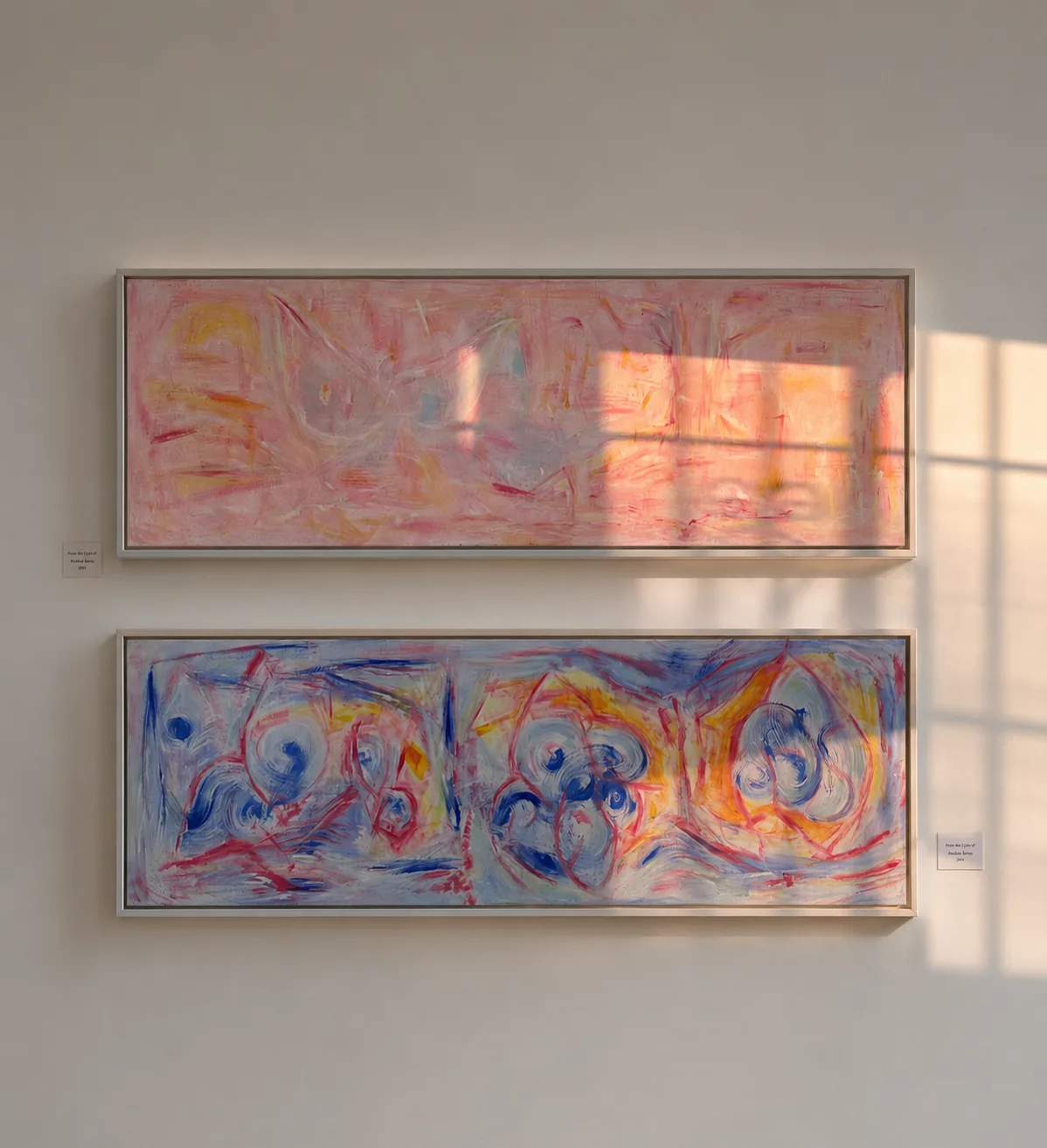
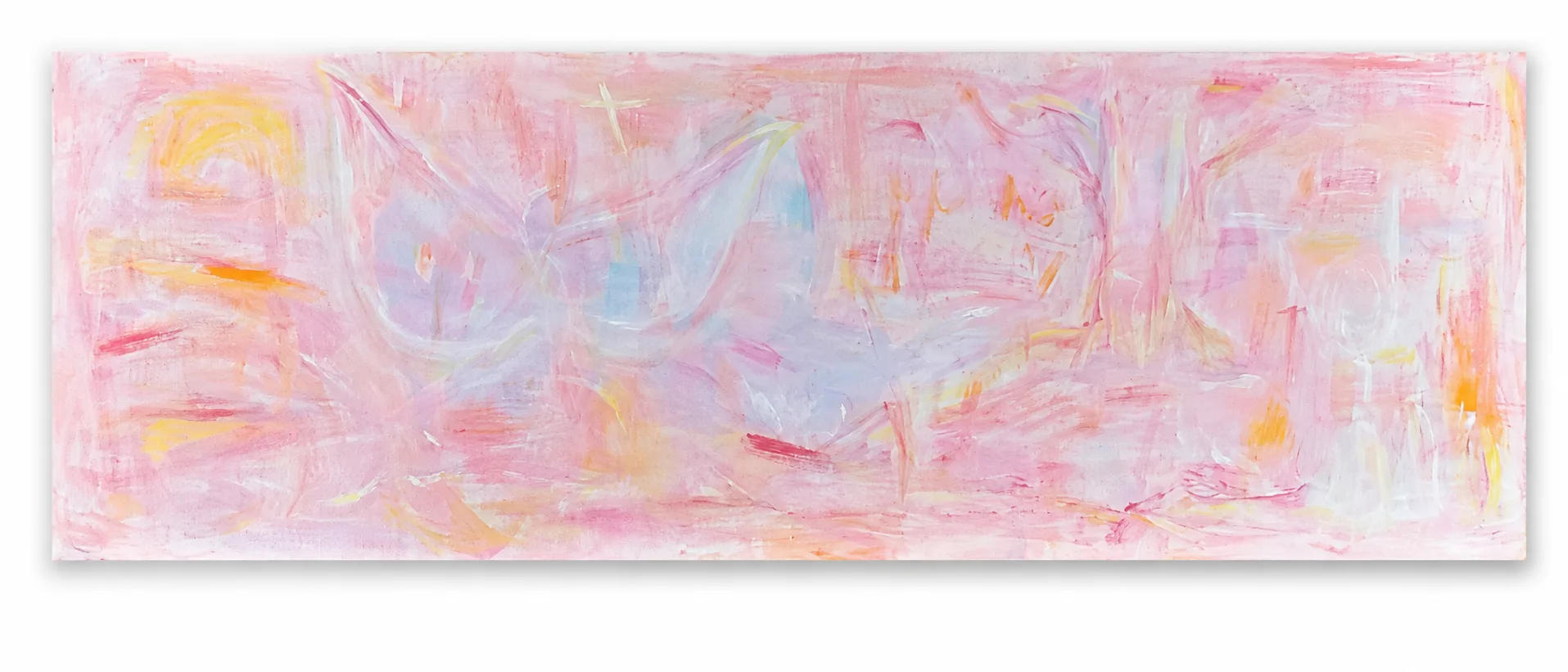
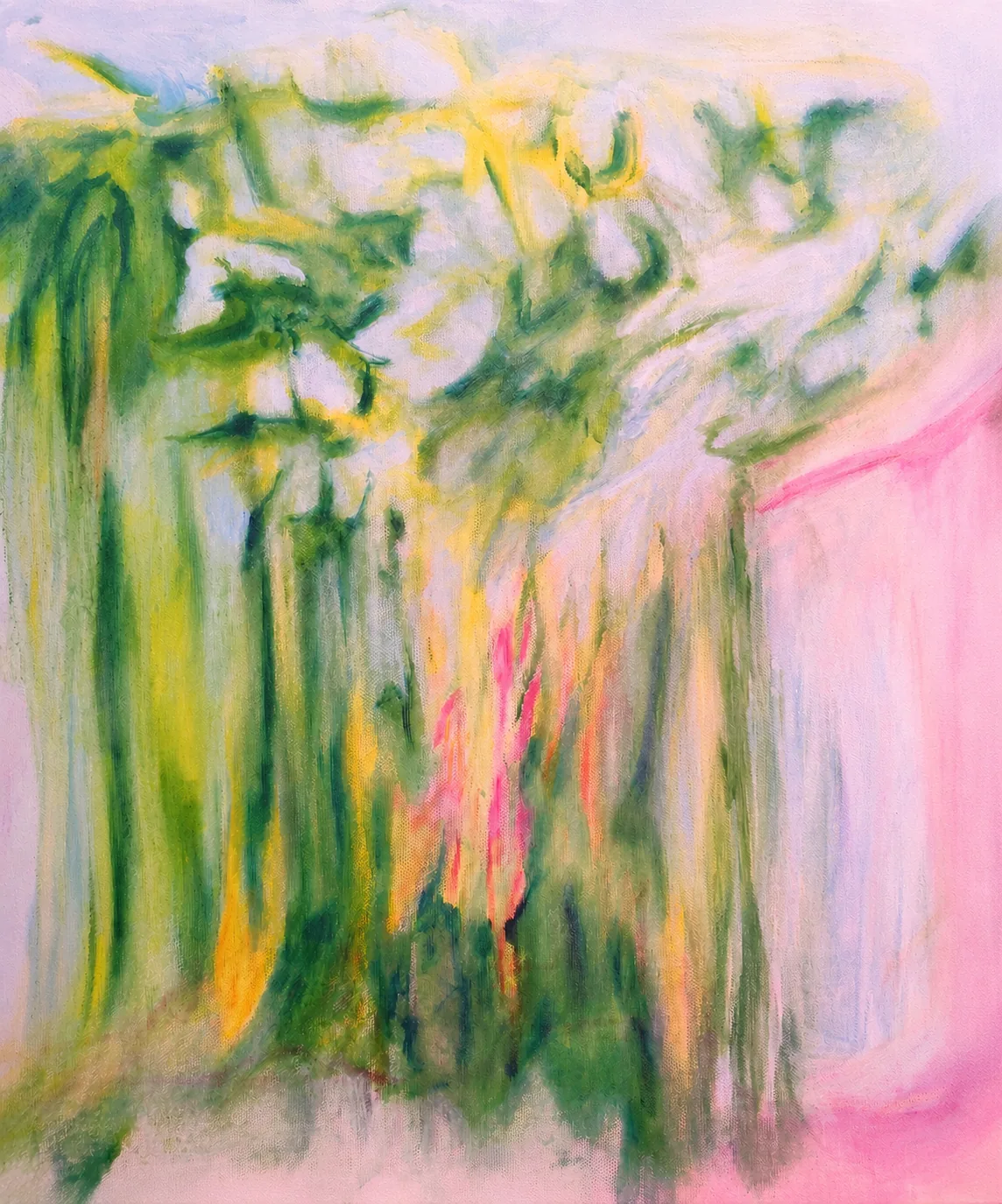
After. The work that arrives once the seeking has done its quieter work, and a Night Series held inside it.
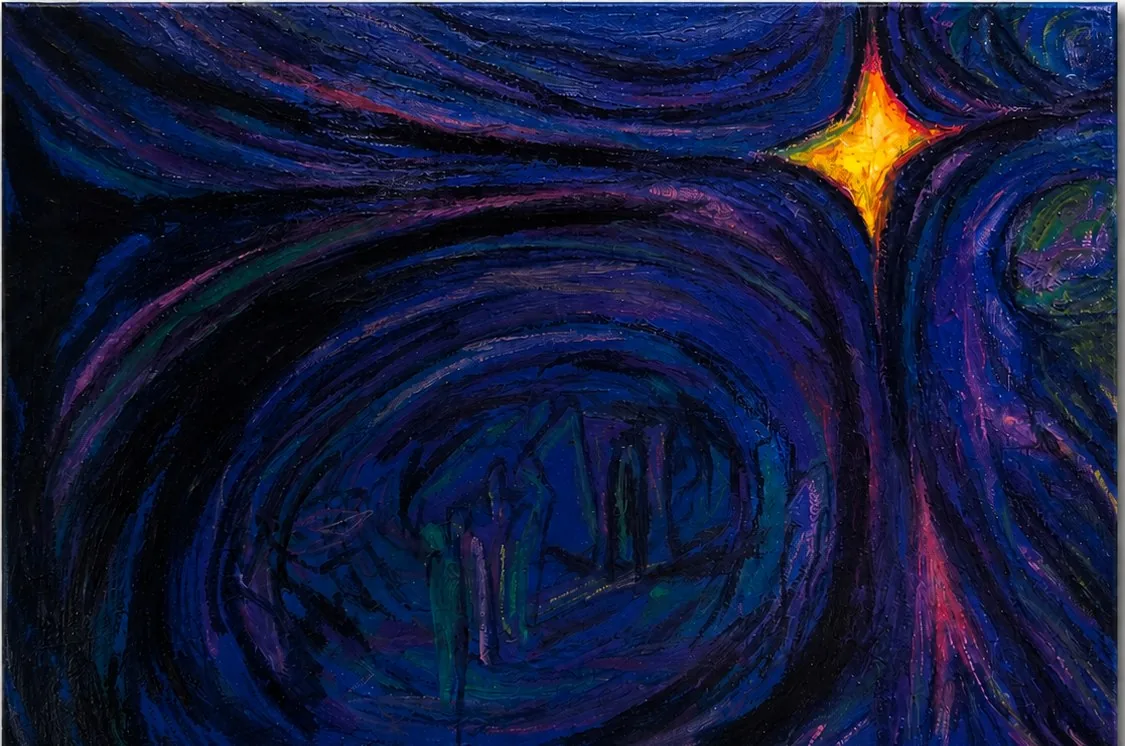
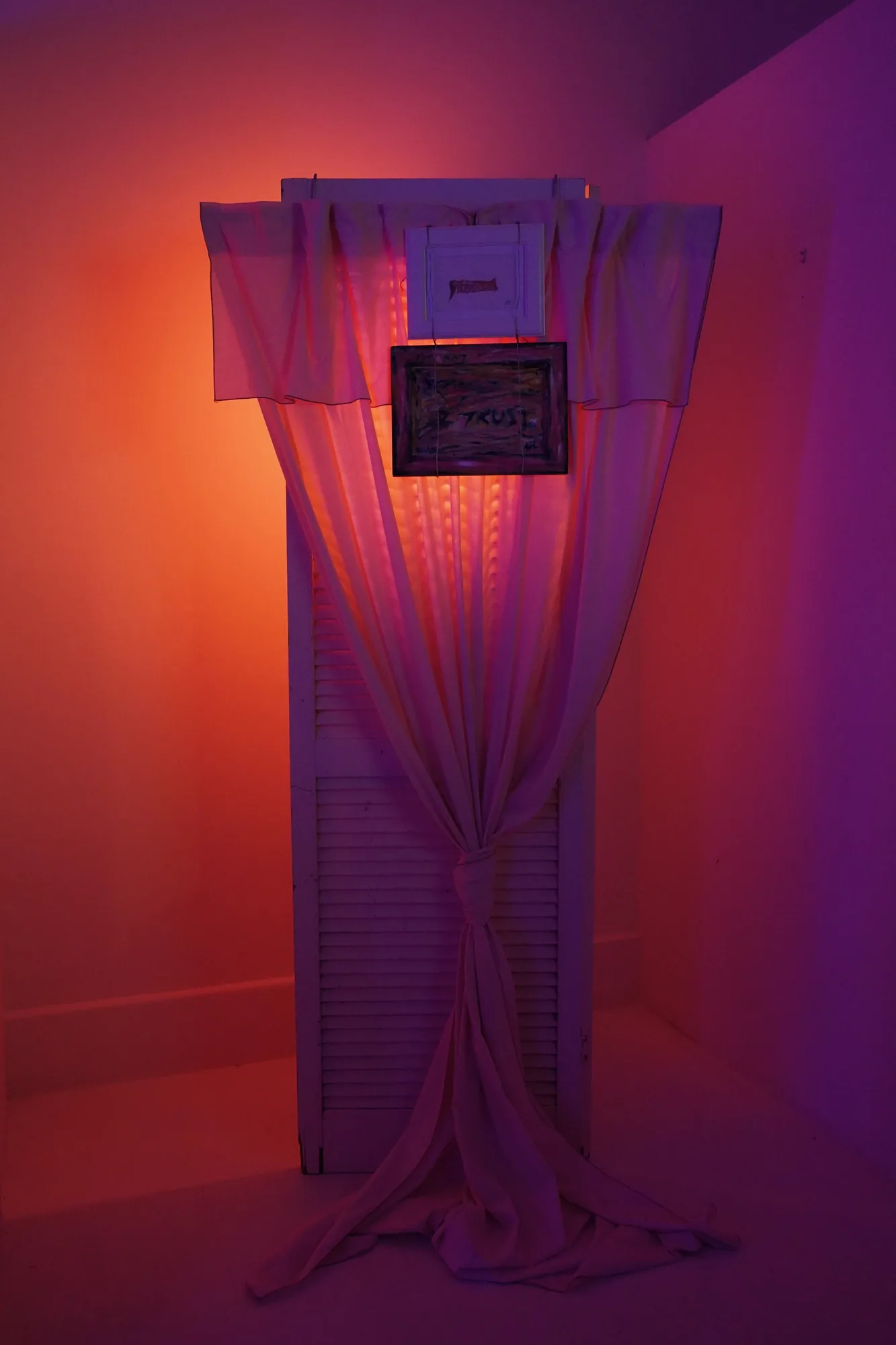
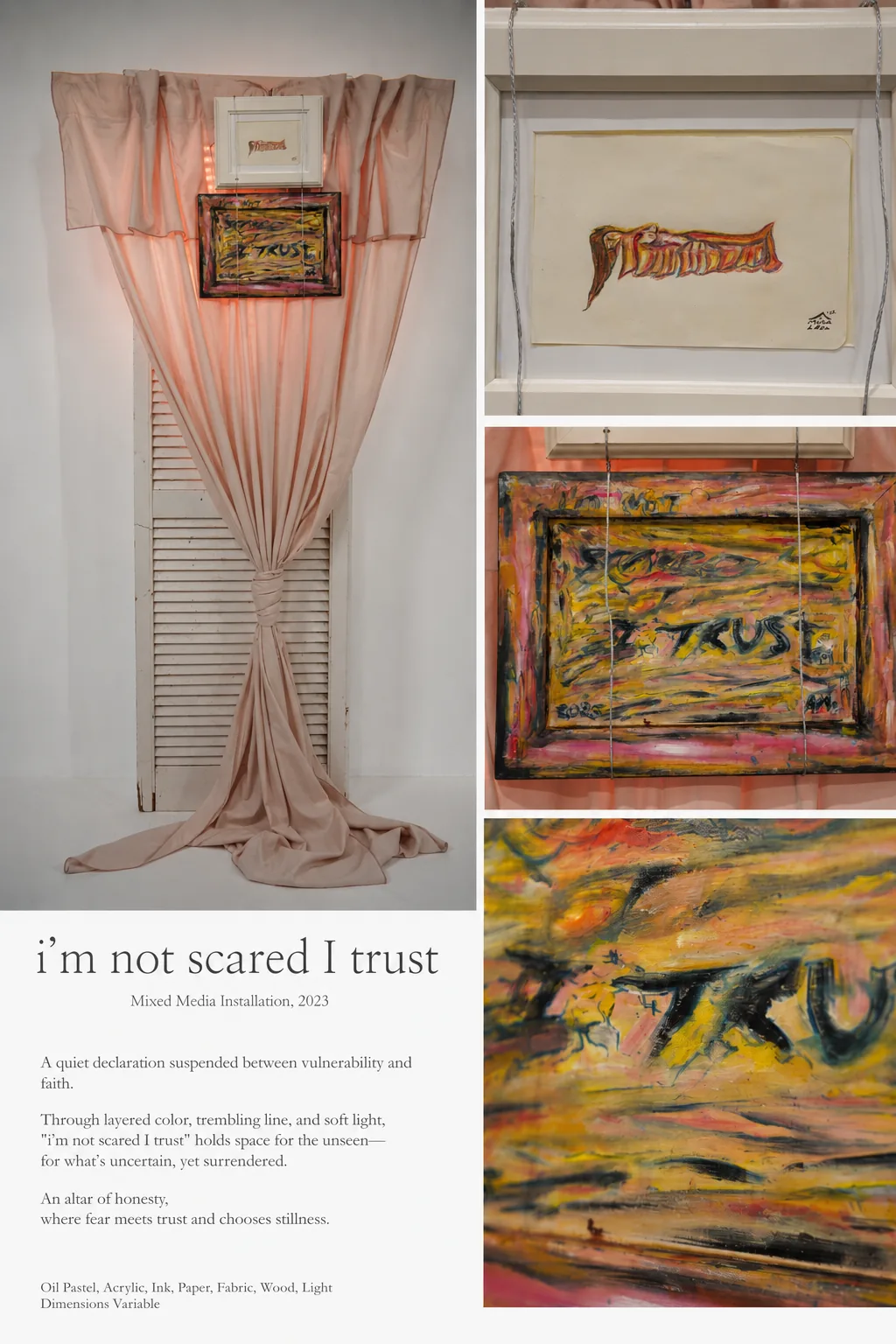
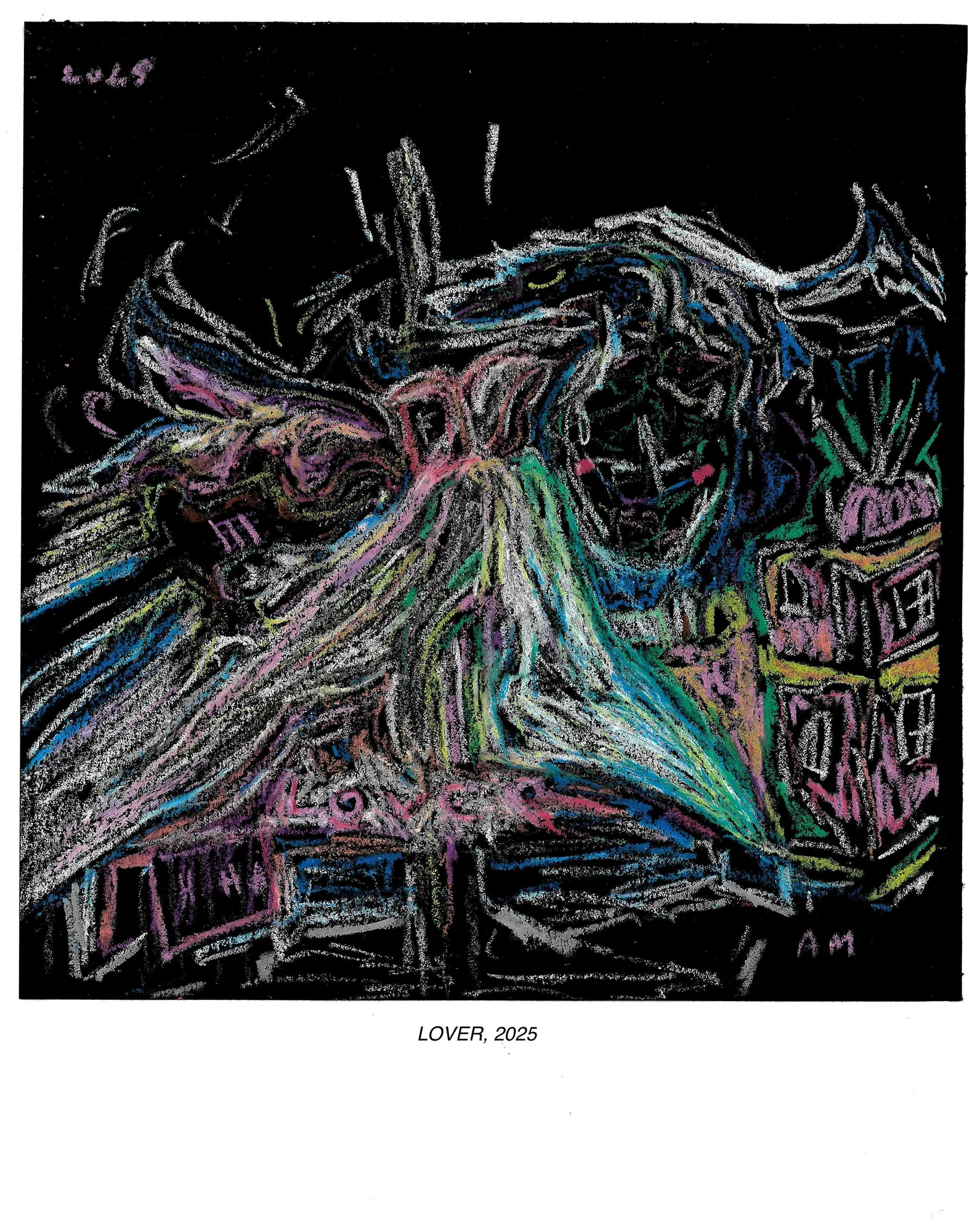
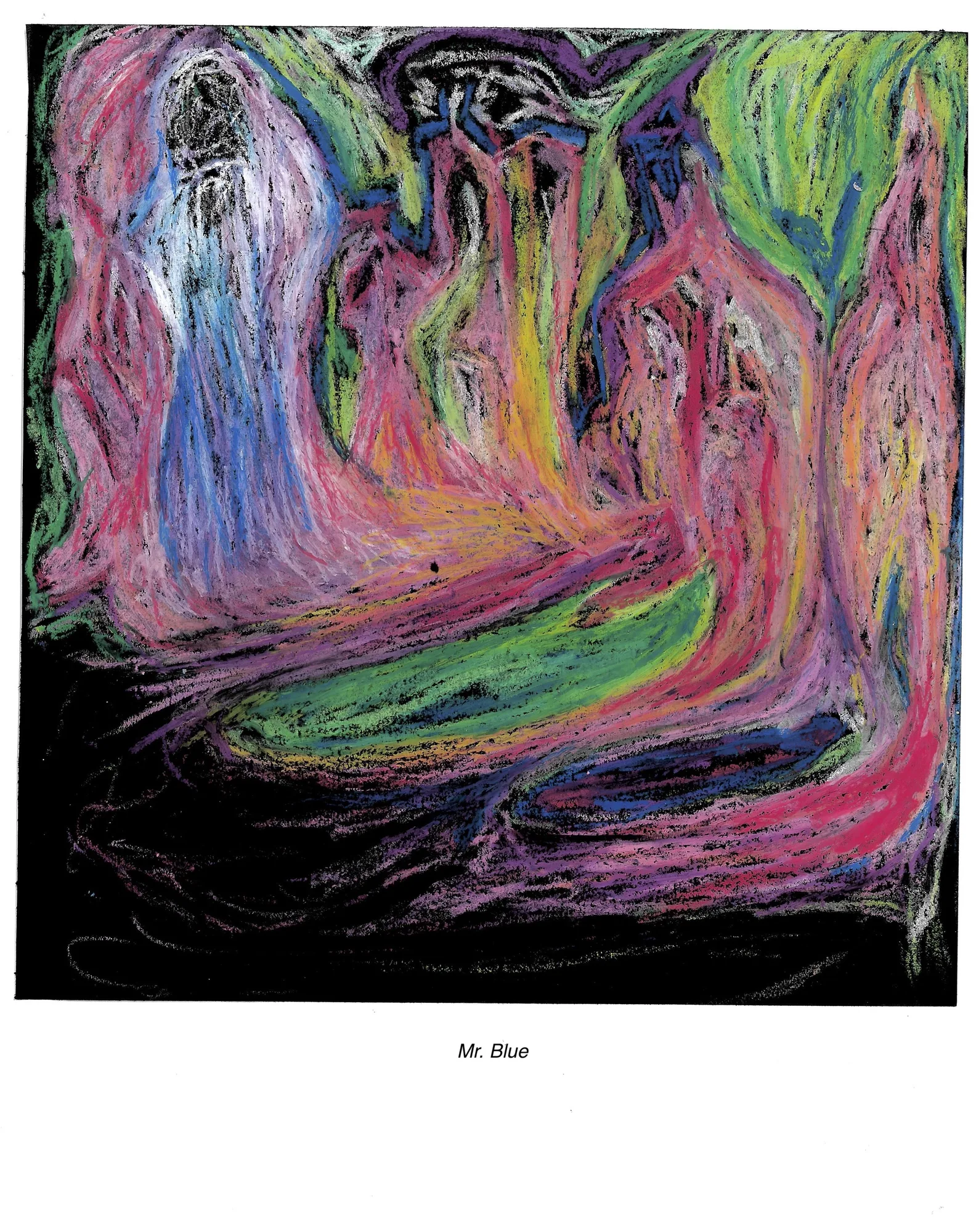
This work is intuitive and deeply personal. I sit and I put down colour. The painting tells me what it wants to become. Sometimes it takes months. Sometimes it is finished in an afternoon. This is the time where I let my subconscious speak to me and reveal itself. Three threads run through the studio. Three doorways in. Choose where you'd like to begin.
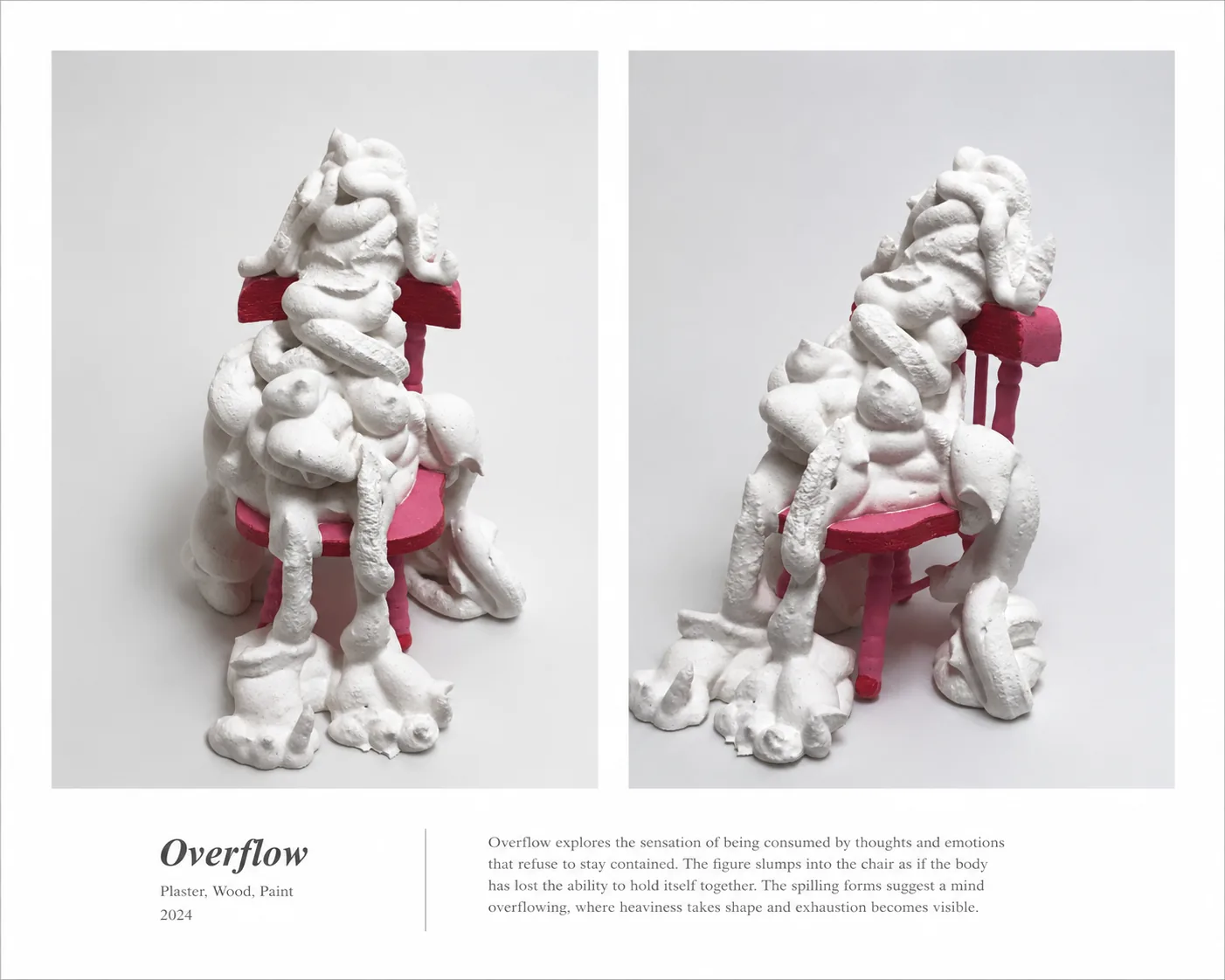
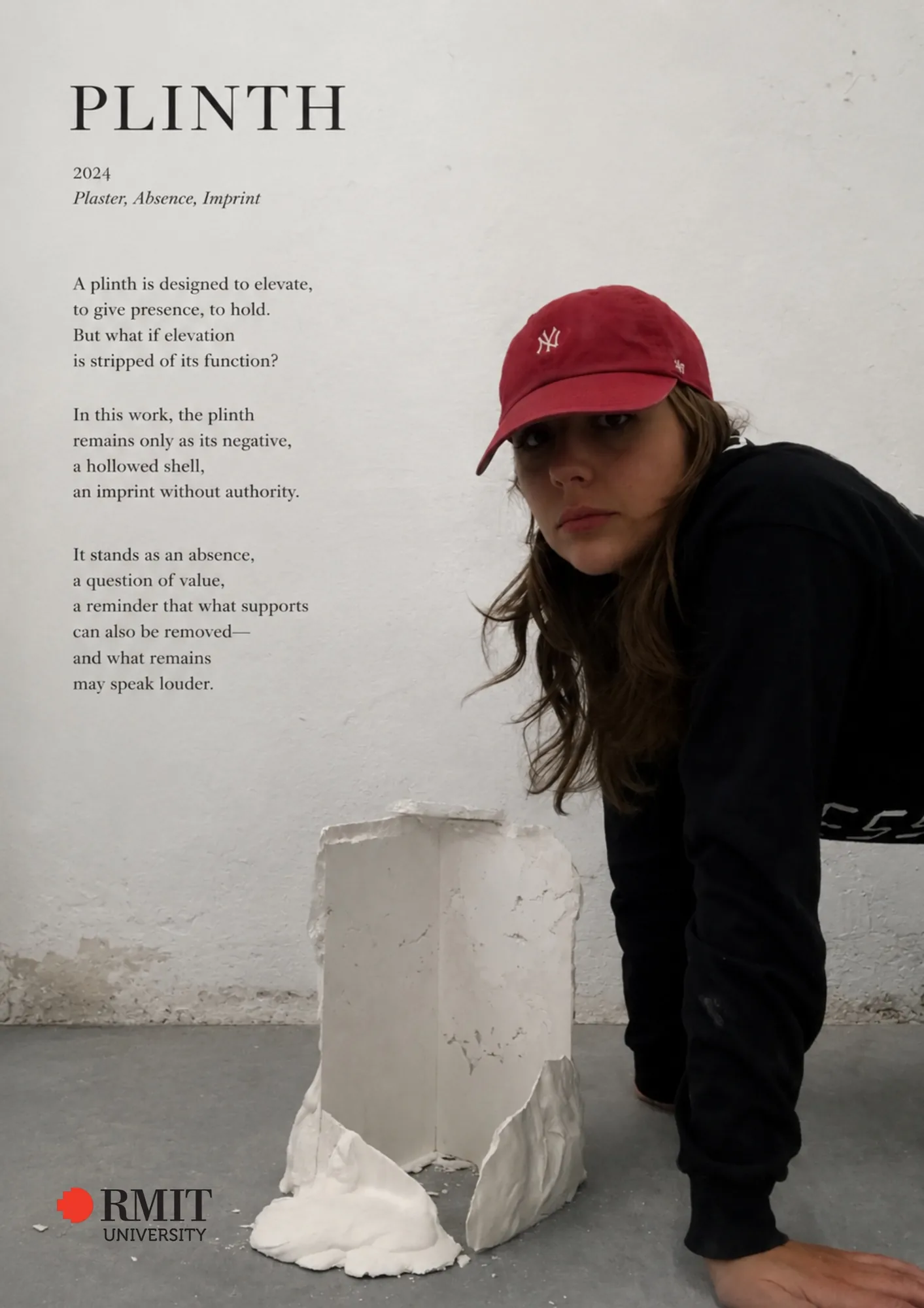
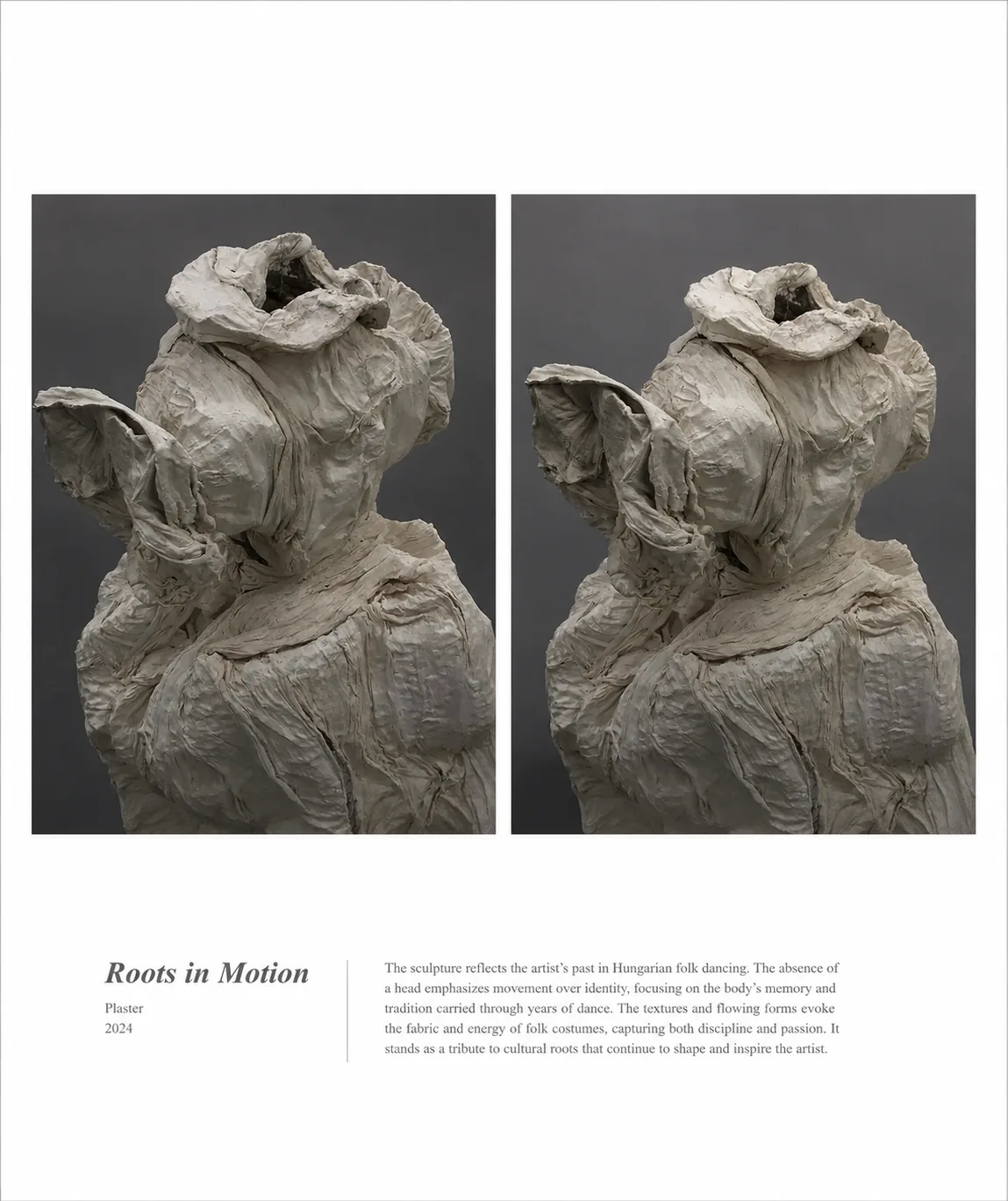
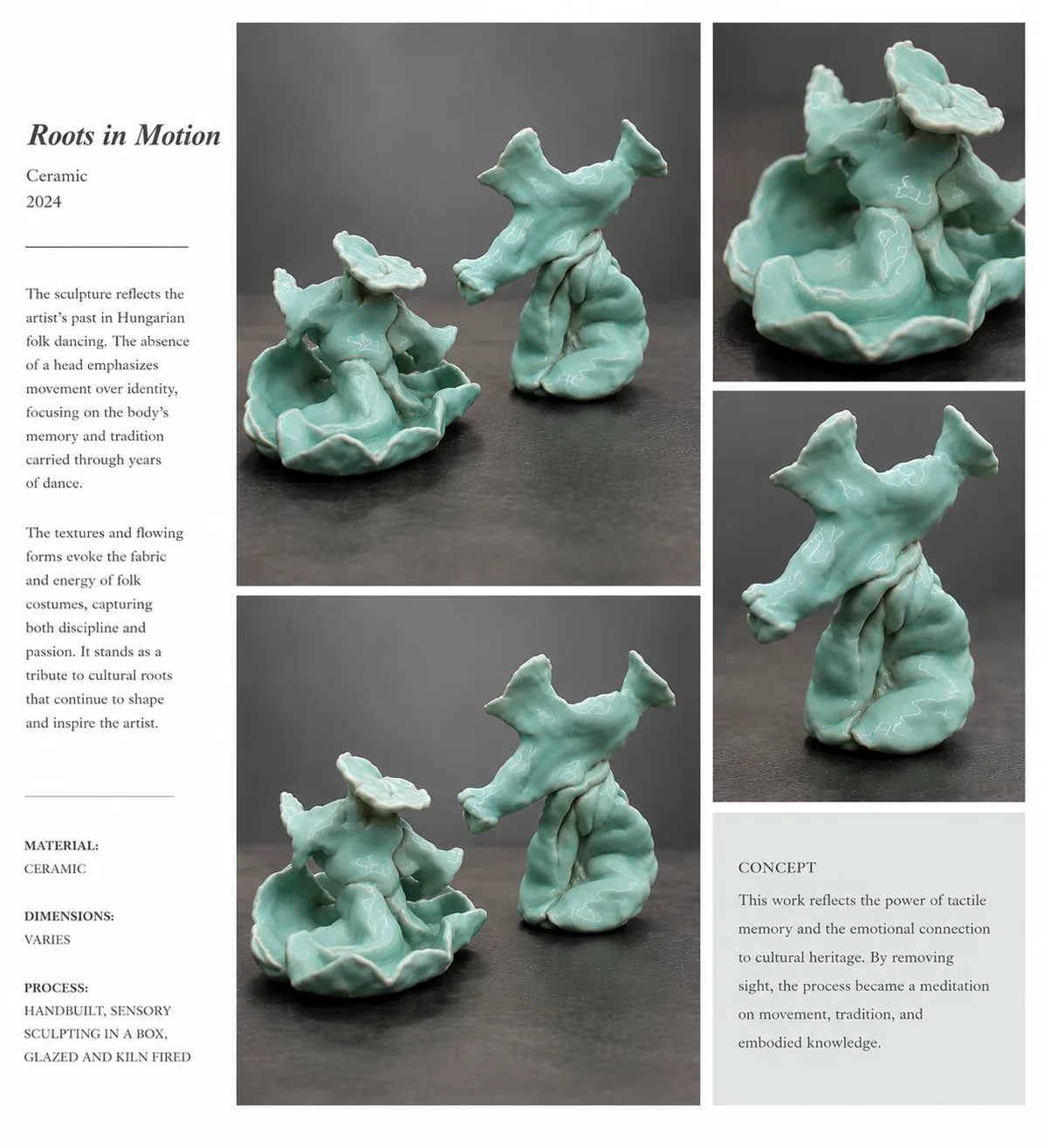
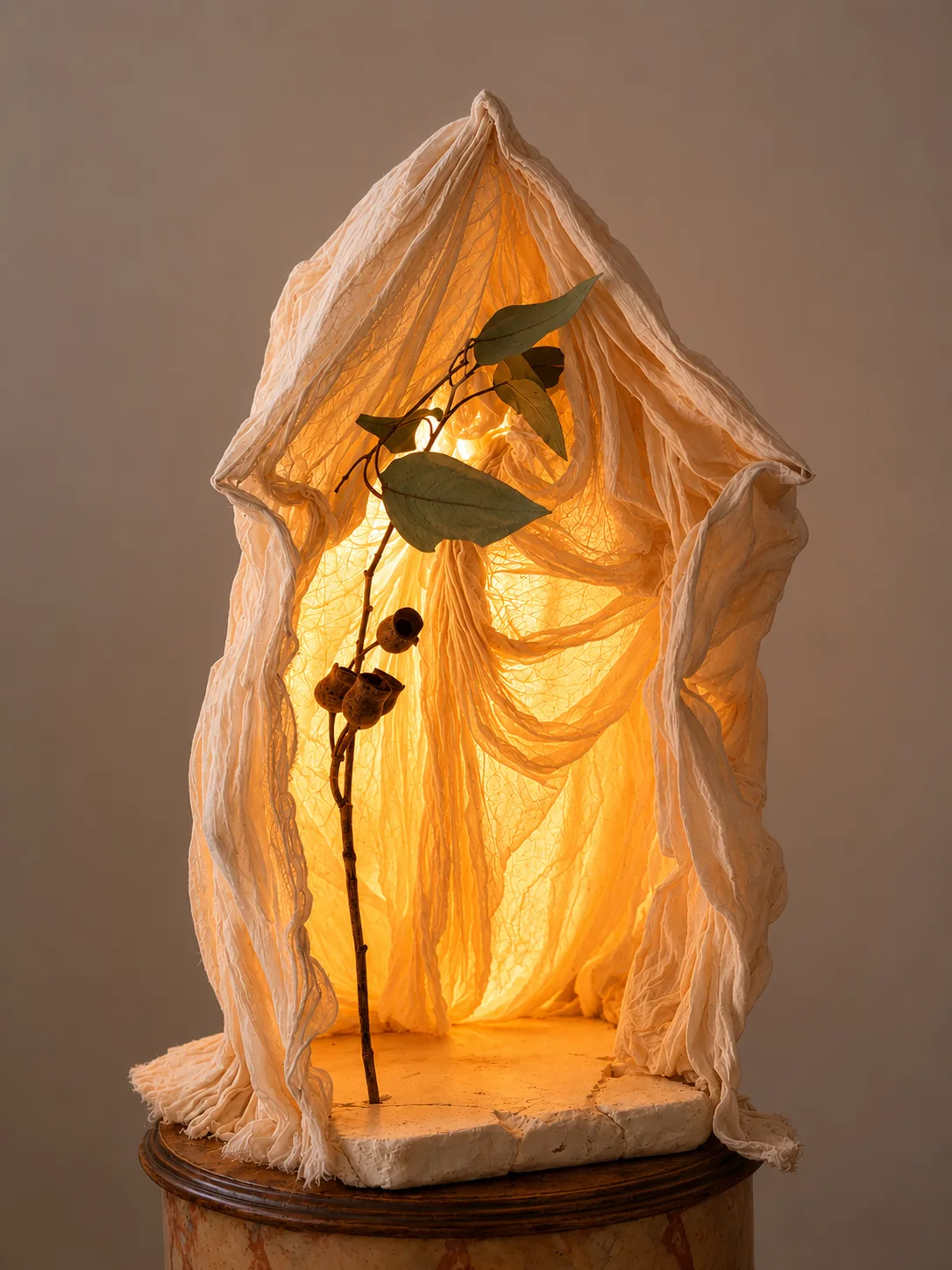
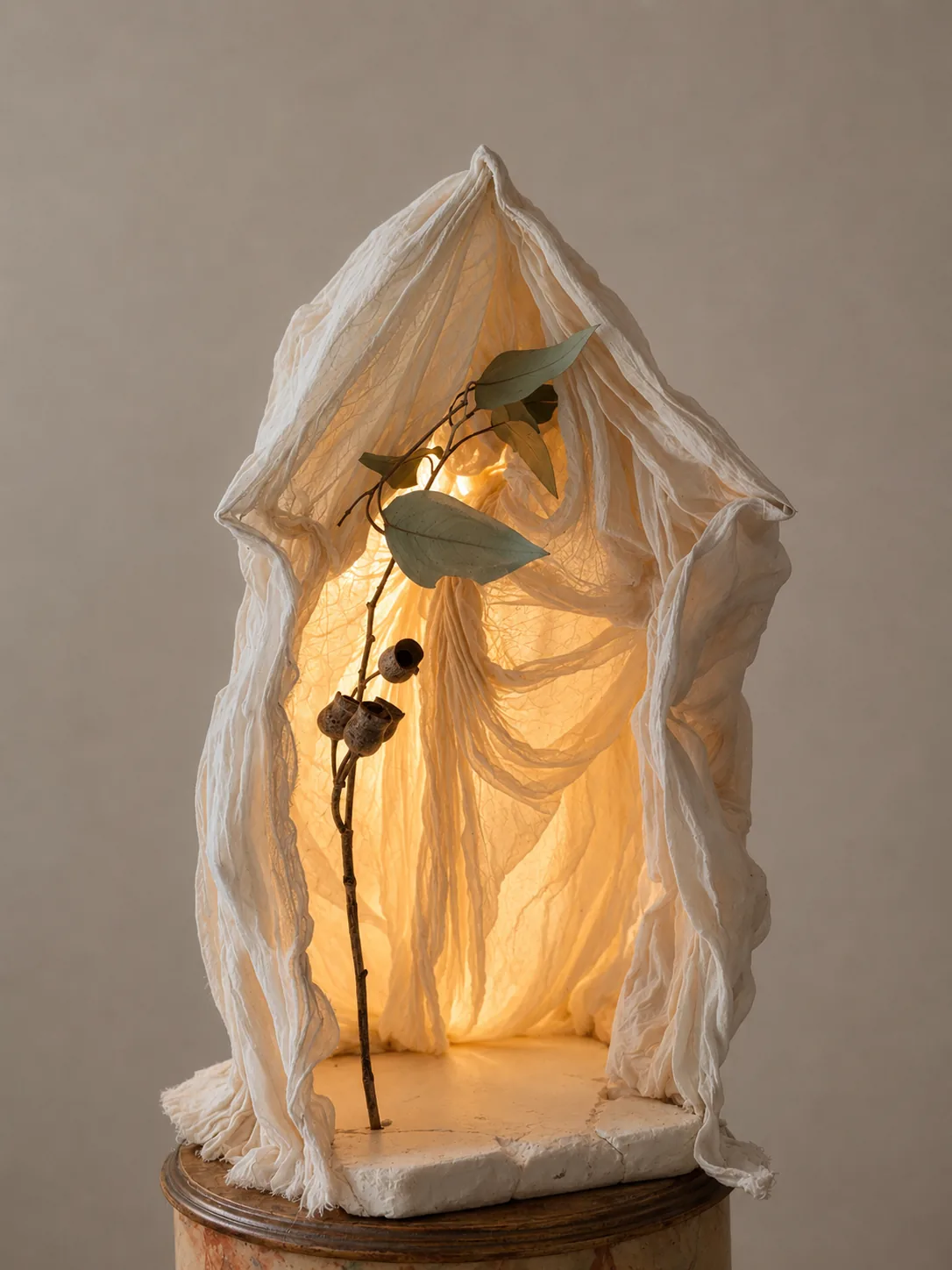


In three dimensions the same hand keeps working. Fabric becomes flesh. Plaster becomes presence. Light becomes a material in its own right. The figure is never still. Always mid breath. Always mid turn. Always mid becoming.
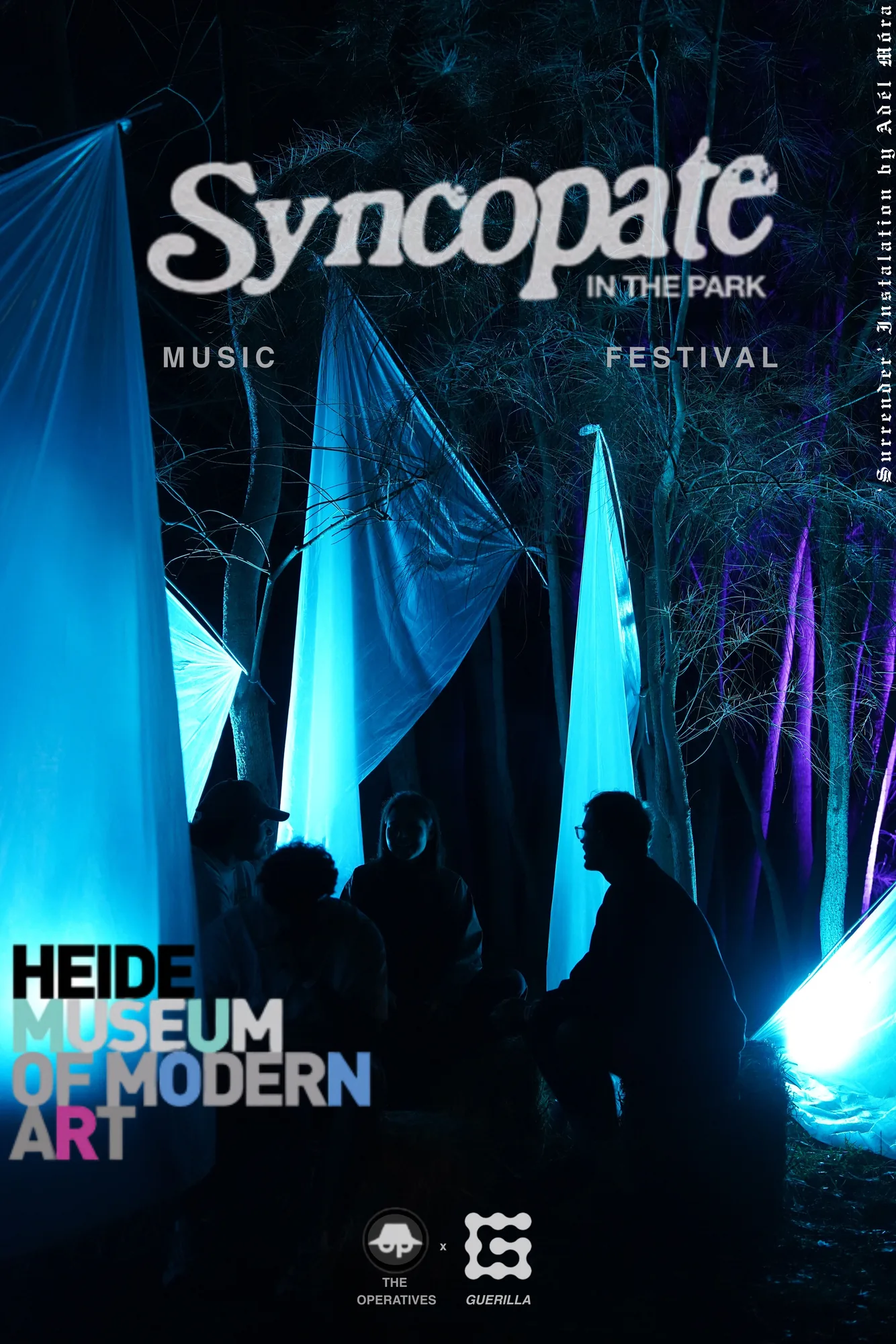
Work made for others. For festivals, communities and spaces that need an answer. The first thread — a public-art installation that lived inside the festival as a quiet anchor.
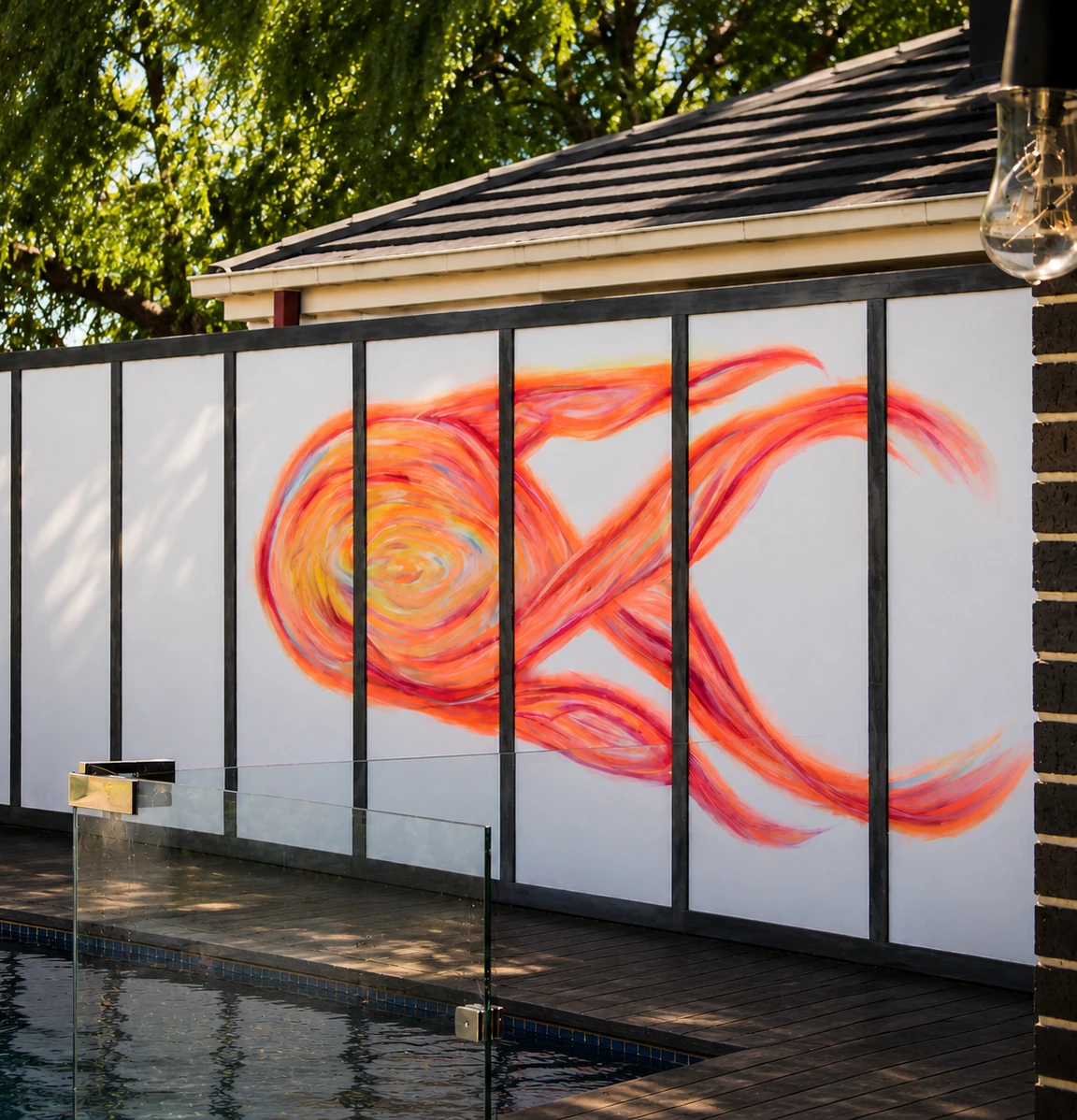
See here a Commissioned Mural by Adél Móra: The Brief: A fish for the pool area. A piece for the swimming hours. Cast your net.
In the Works
A new public-art piece taking shape.
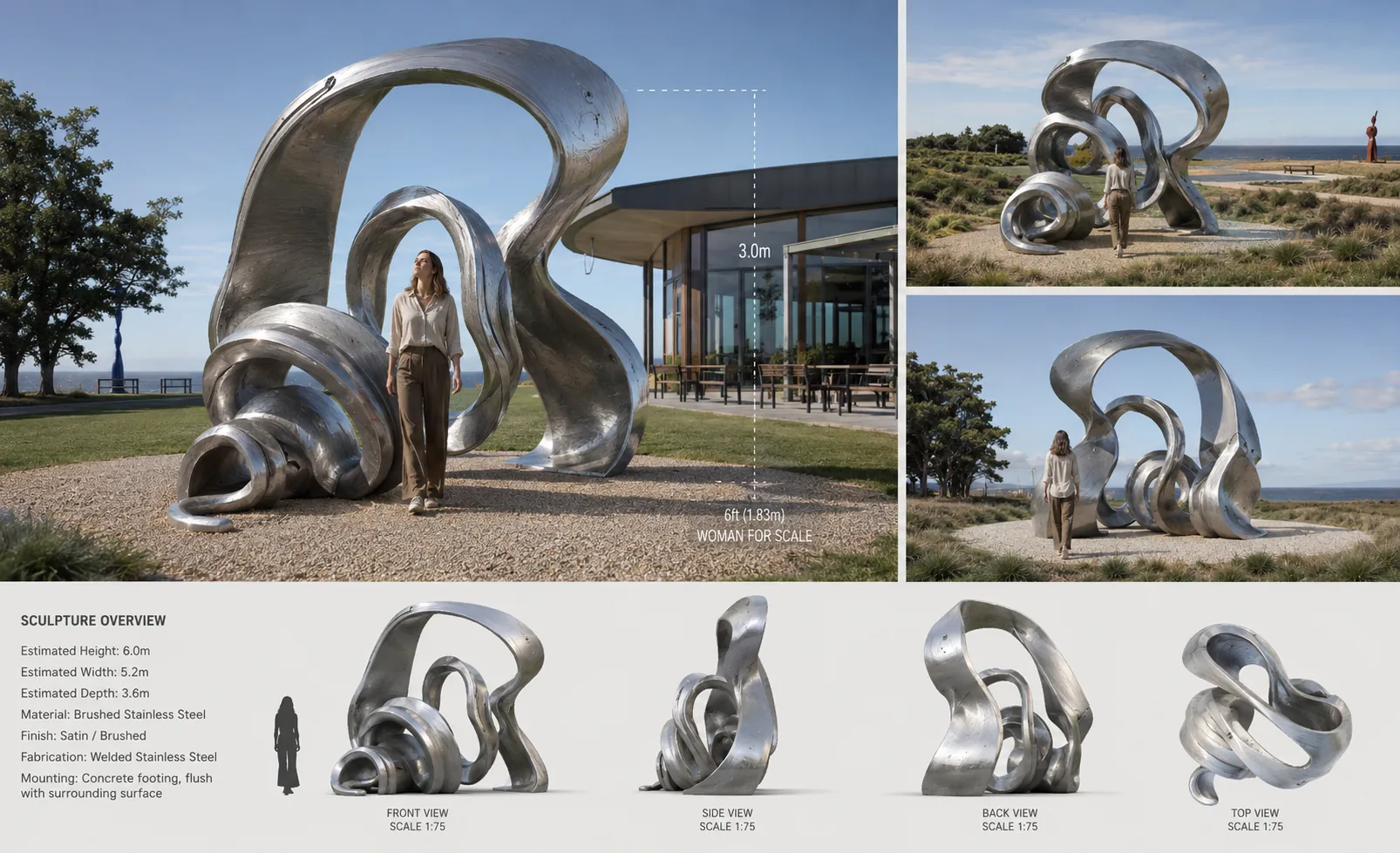
As it is written in Genesis 1:1 (ESV): "In the beginning, God created the heavens and the earth."
What is so often overlooked in this magnificent account is not simply what God created — but the divine sequence in which He created it. Each act of creation was intentional, ordered, and purposed to serve what came next. The Lord did not create in haste. He created in wisdom.
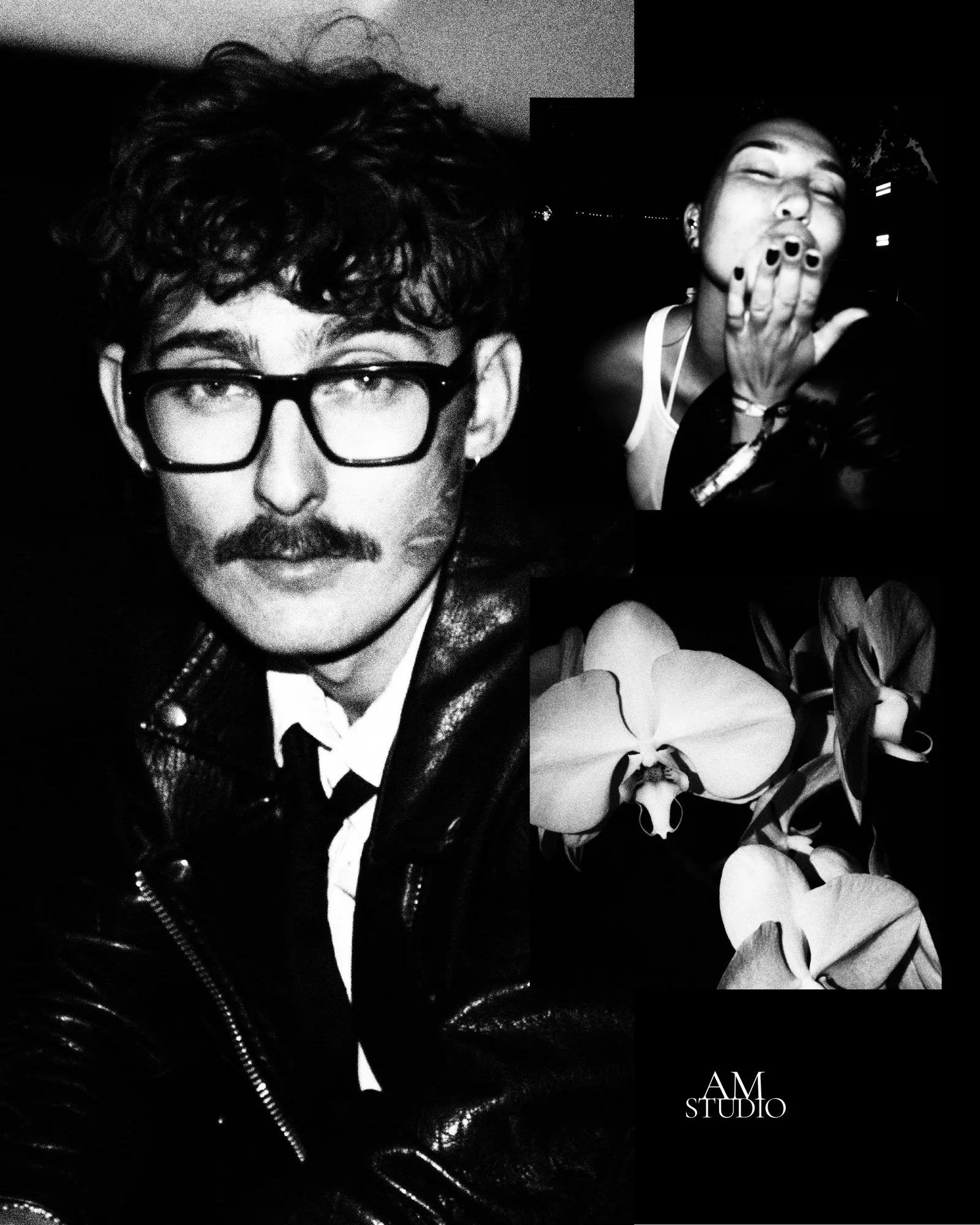
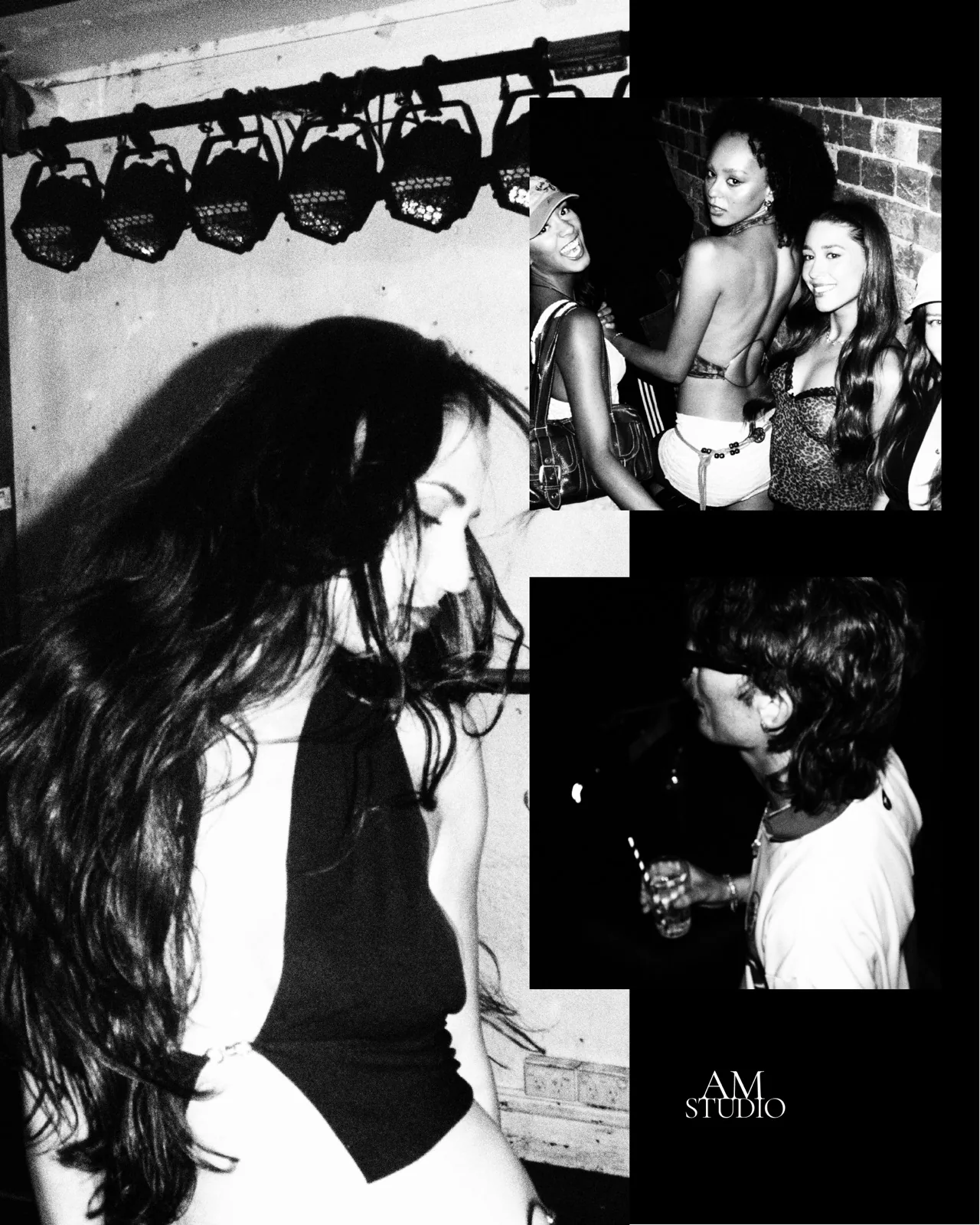
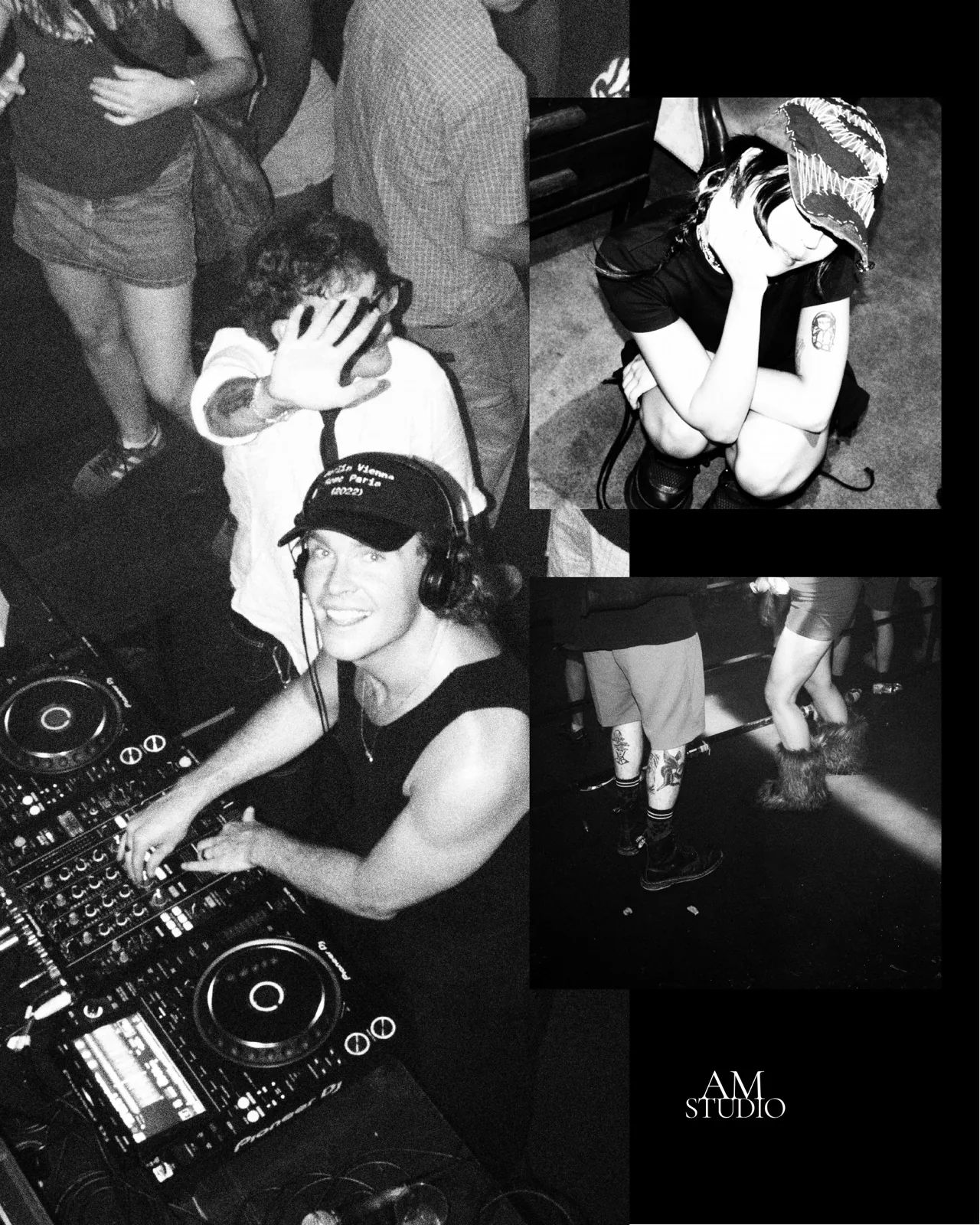
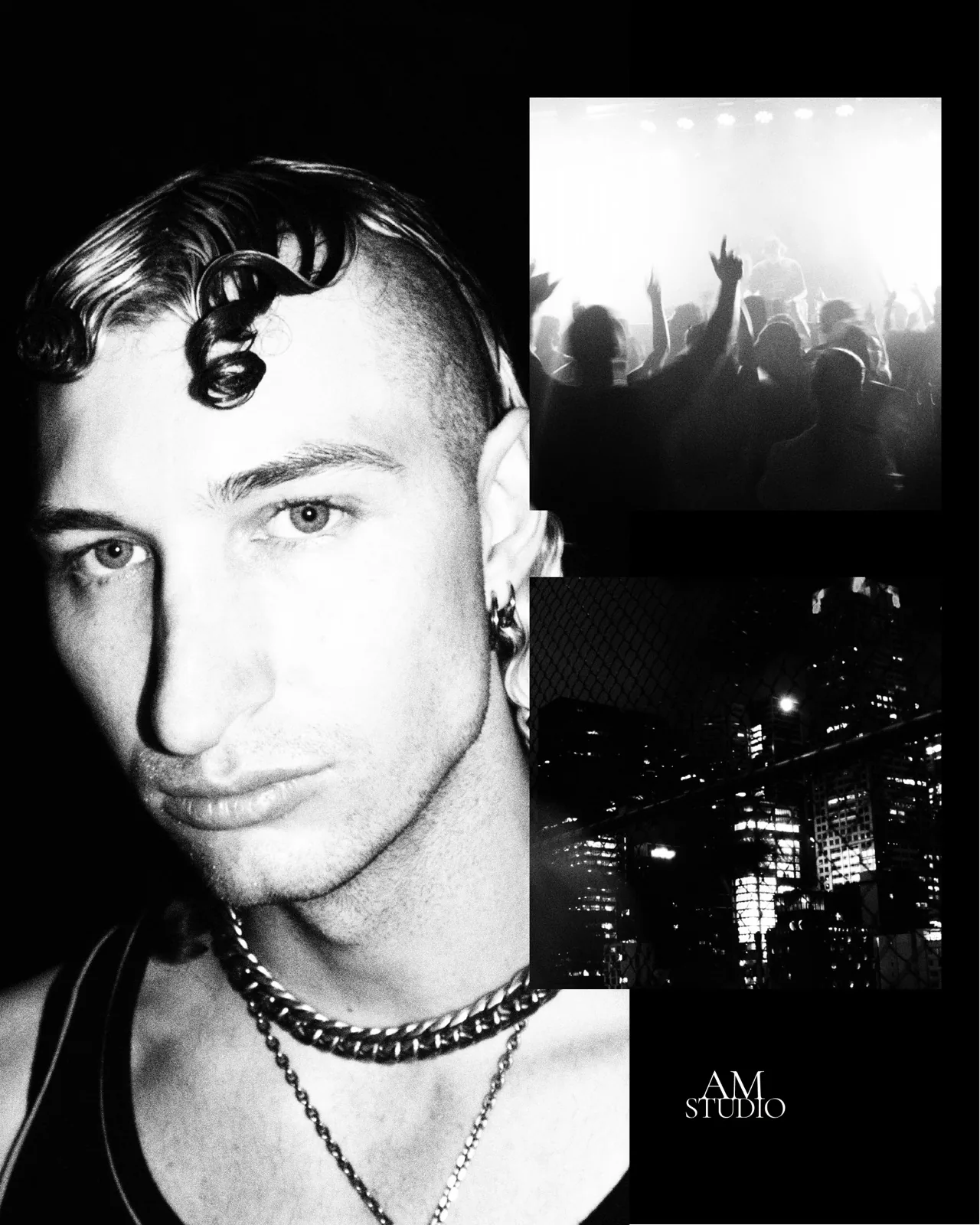
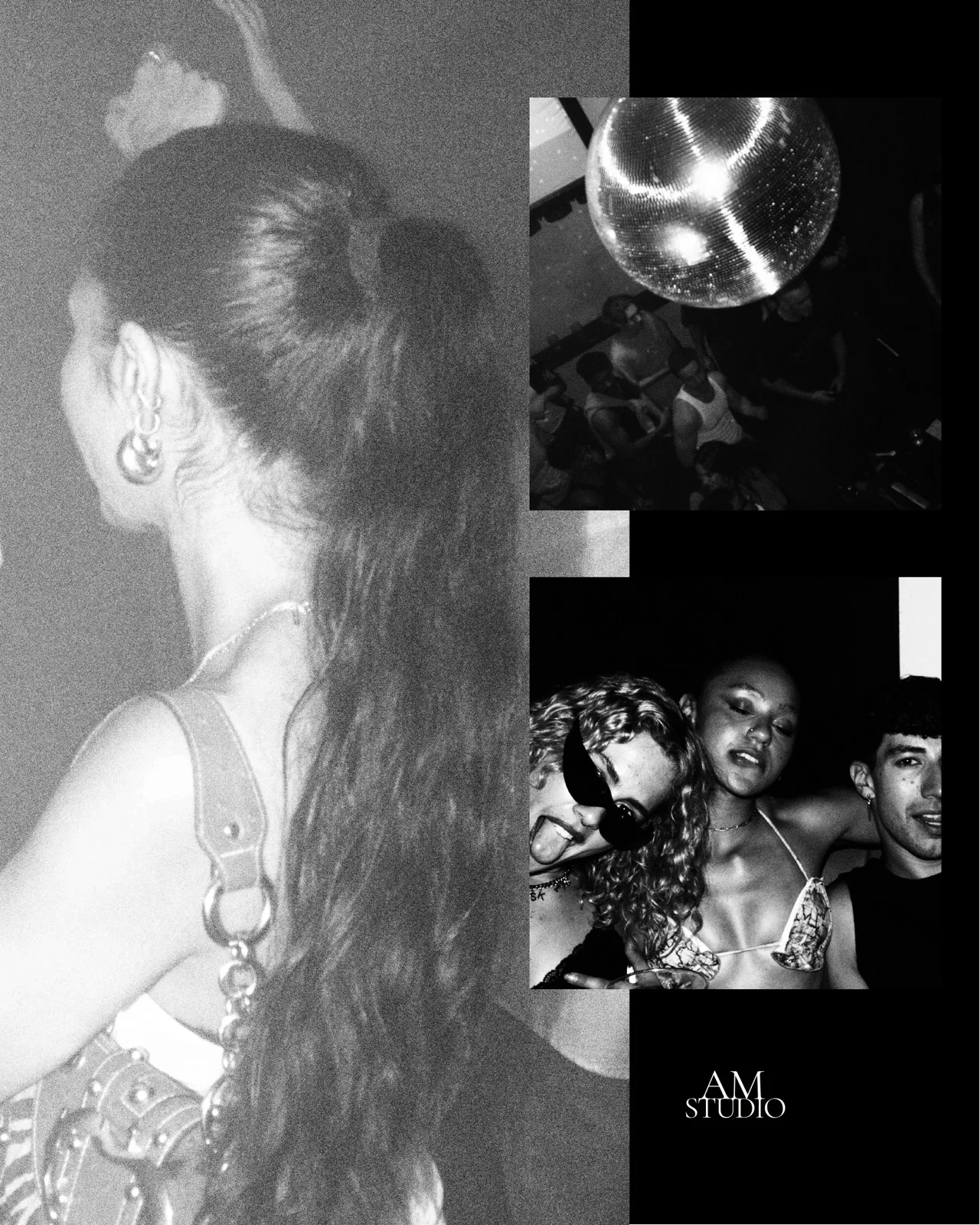
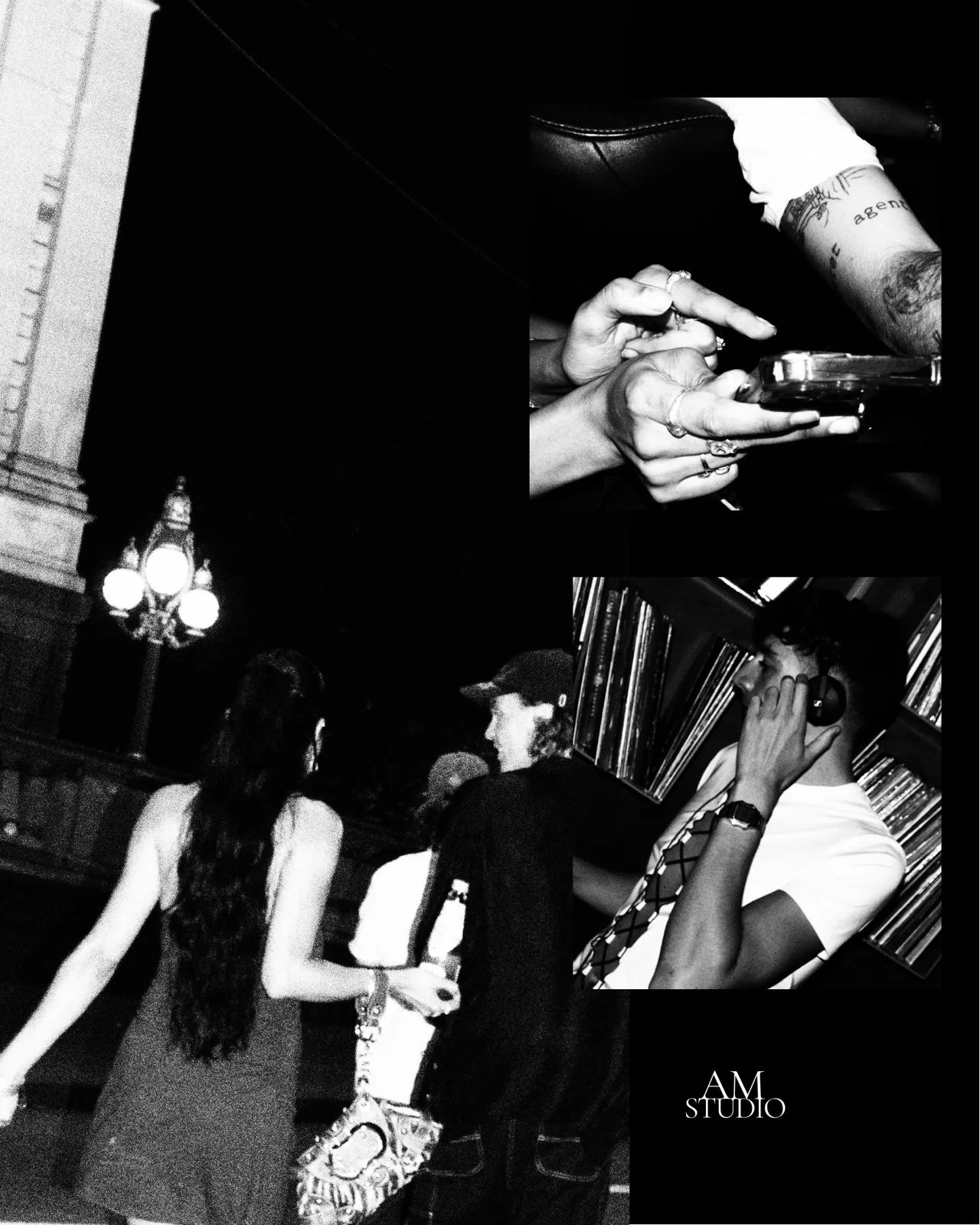
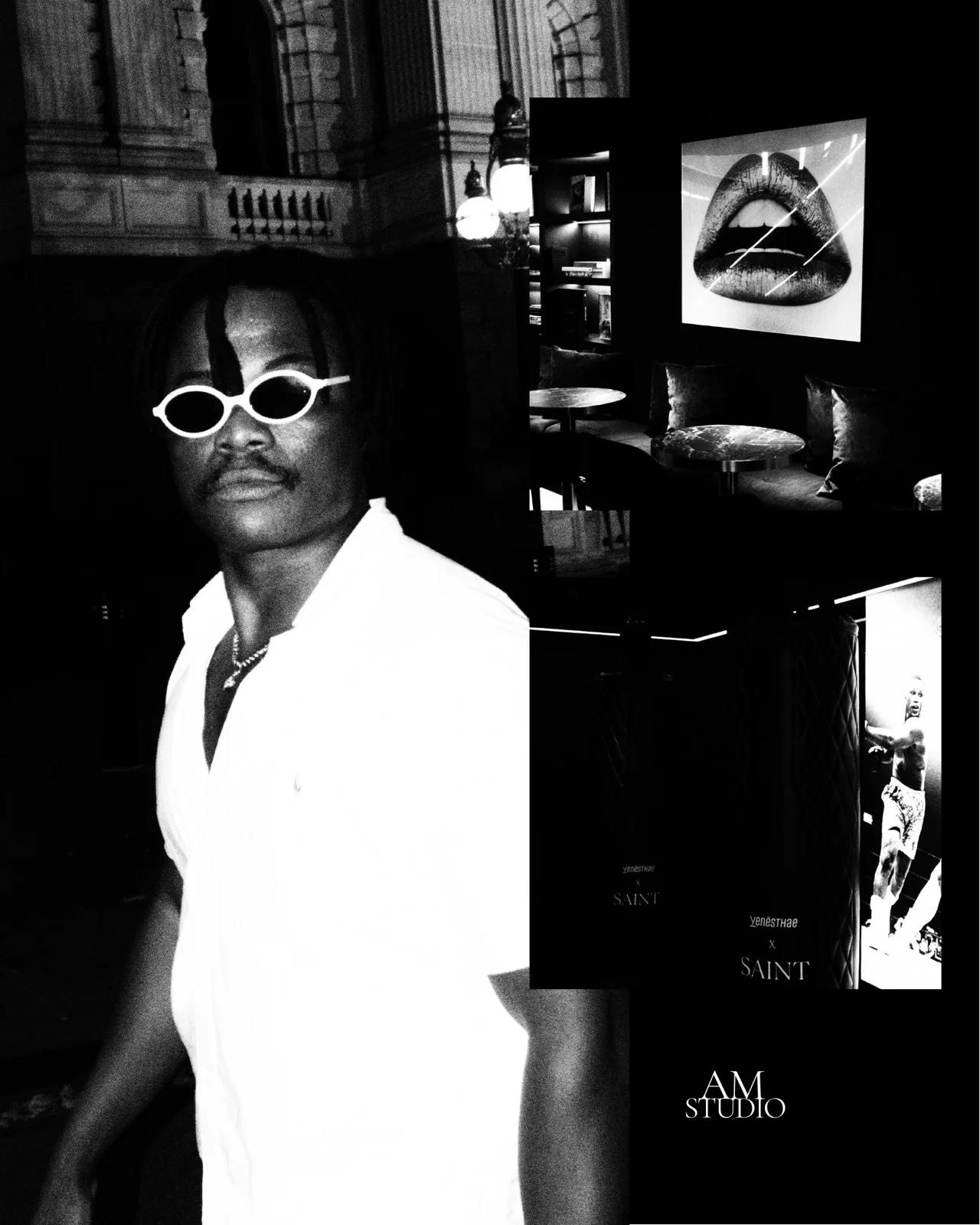
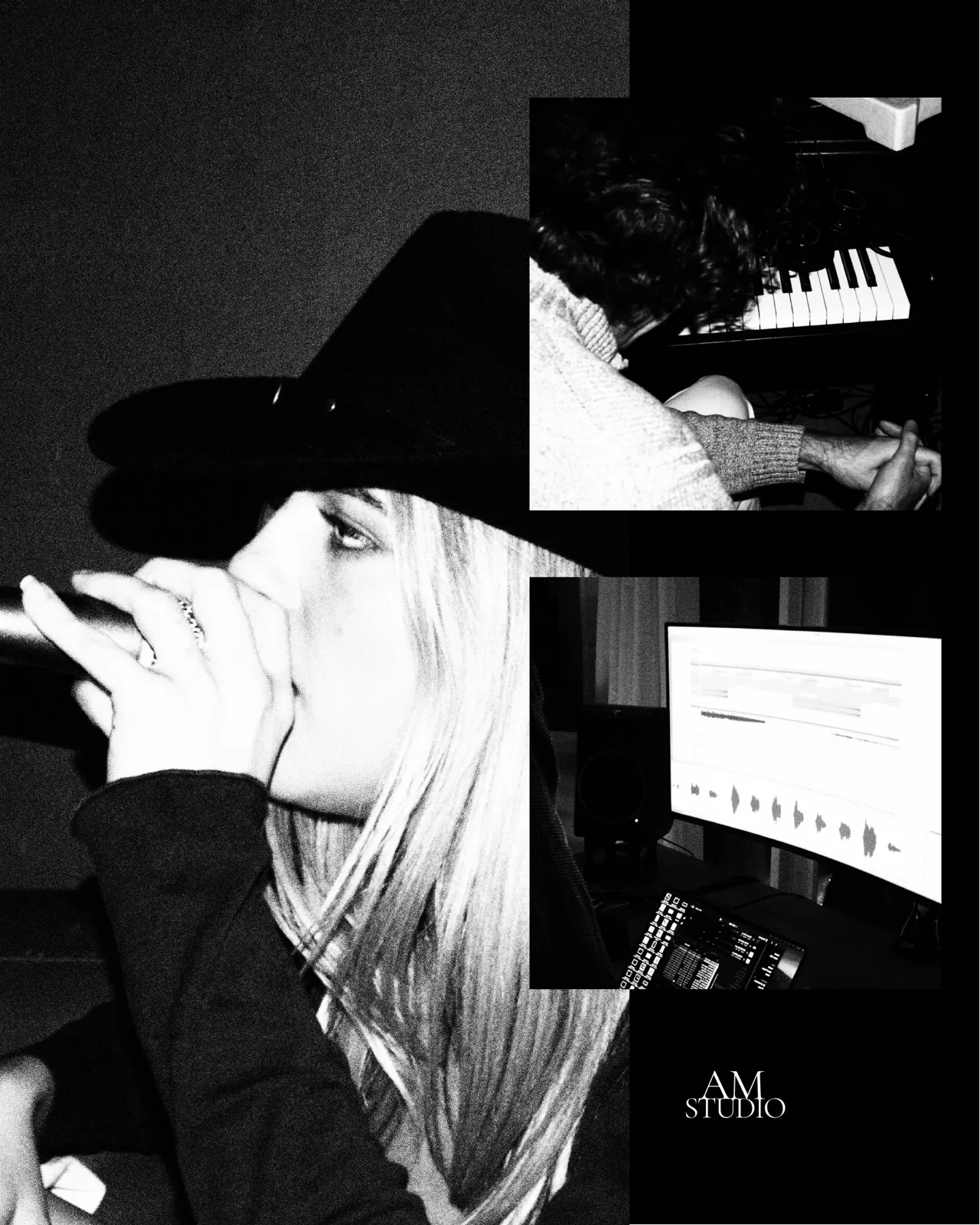
Capturing the spirit of the musician, the performer, the artist's authentic self.
A practice does not arrive alone. These are the names I carry.
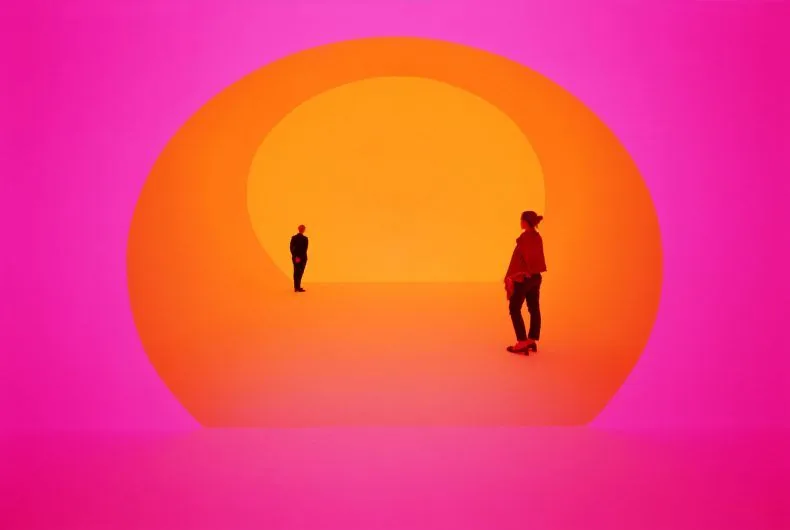
For the way light and colour fills and becomes a room.
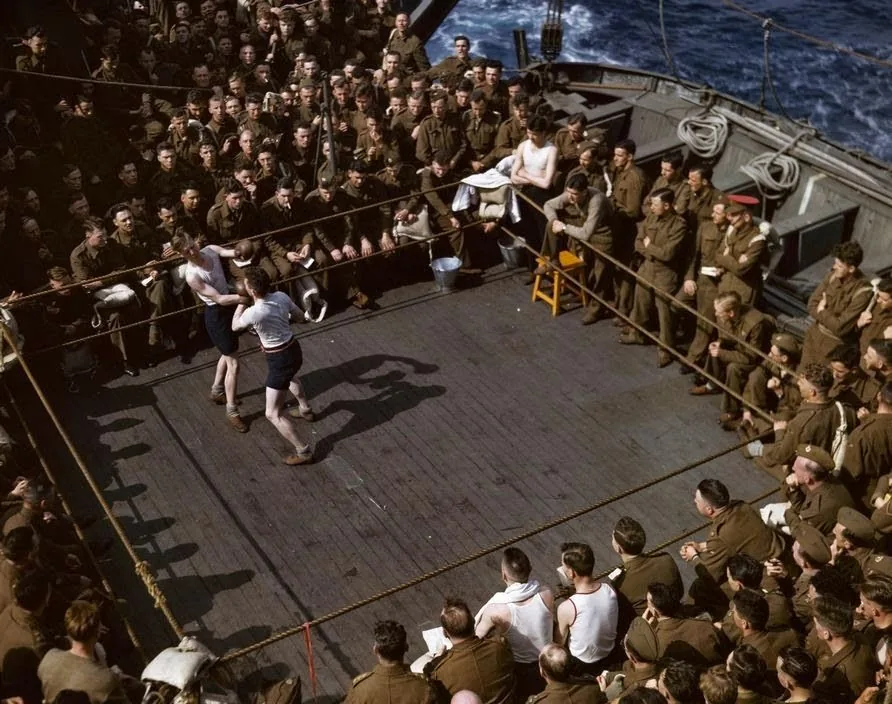
For honouring the present. The photographer as historical witness. He's in the room.
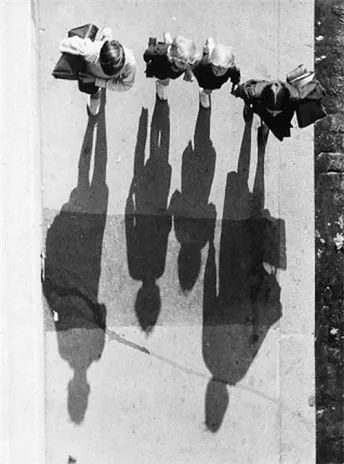
For the Hungarian eye that learned to see twice, and capture the magic in the simplicity around him.
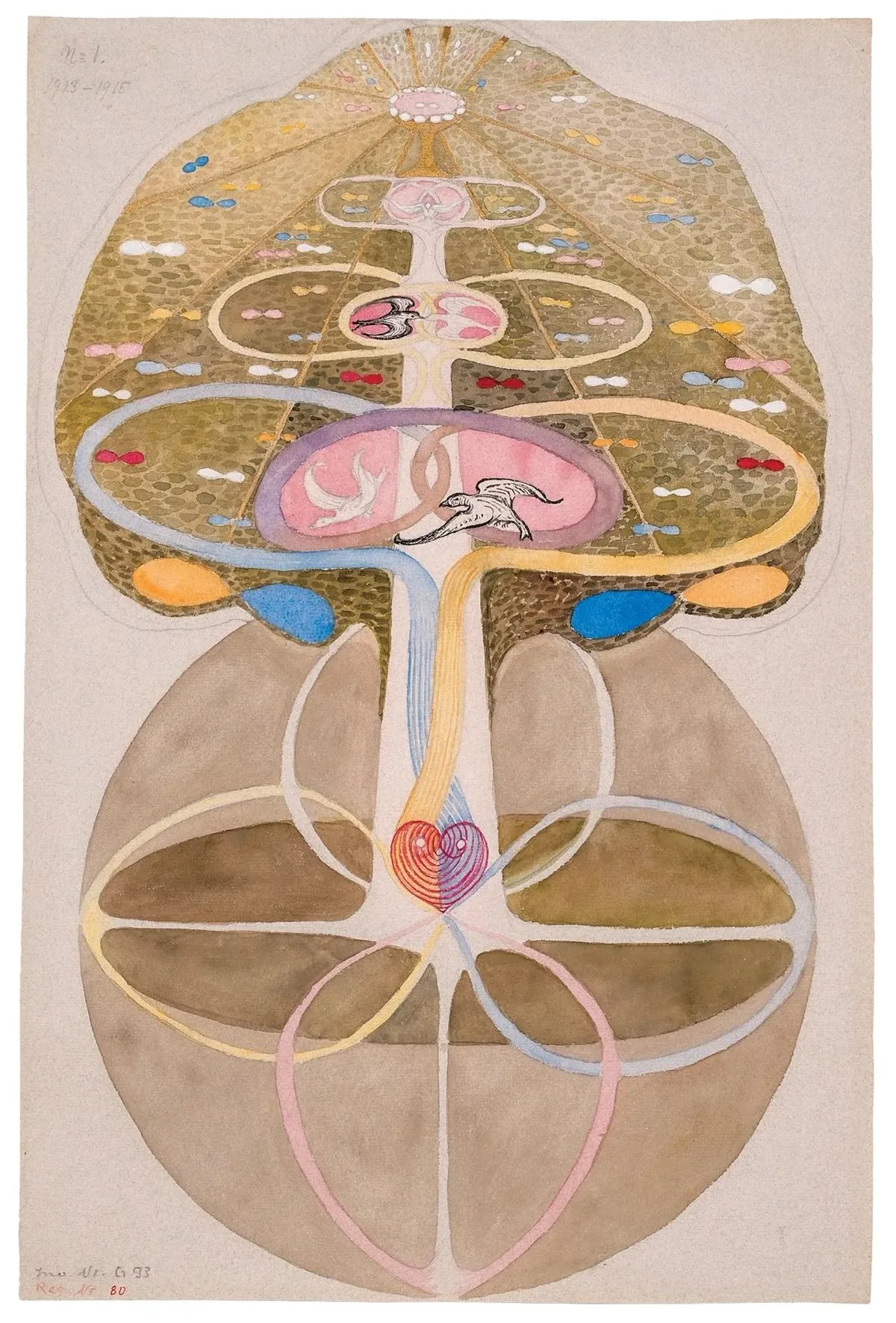
Colour as vision through structure, symbolism, geometry, intuition. The unseen made visible before anyone thought to ask.
About
Born in Melbourne to two Hungarian parents. Móra works across photography, oils, pastel, sculpture, and commissioned public work. The practice has two threads. One is documenting the present as a raw historical record for the people who come after us. The other is translating colour as it flows through intuition.
Expression through colour is fundamental to Móra's practice in capturing the human experience. Particularly as a woman, an Australian born and displaced a Hungarian. She finds as many mediums as possible for her work in order to express this moment in time and life-experience, to translate the higher guidance flowing through and record the here-now. She doesn't shy away from photography to pastels, oils, plaster, materials, light.
The artist lived in her motherland Budapest for a year in 2023 where she for the first time understood what it meant to belong to a nation, to a people and a heritage. That experience changed how she understands this experience called life. Time in Budapest forever inspires her work moving forward. Now working between Melbourne, Budapest, and the road in between.
The work is intuitive. Deeply personal. Inspired by those who were brave enough to leave their mark. "I let the art speak for itself and let vibrant colours lead me. I dare on echoes of a past life lived as an explorer and inventor. The pieces are transcendent. They invite you into another world, where you can quietly explore your inner landscape and meet every part of yourself with honesty, and with openness."
James Turrell and Hilma af Klint inspire her in how she uses light and colour. Robert Capa and André Kertész formed her love for photography and its importance. She wishes to record the present so future generations can see where we succeeded, and where we missed the mark.